Physical Security
Data center physical security for AI hardware
Before any digital safeguard, hardware needs a physically secure home. Golden Core Mining places customer-owned NVIDIA hardware inside facilities with real physical controls.
Hardware protected by professional facility controls. Operational benefits are not guaranteed.
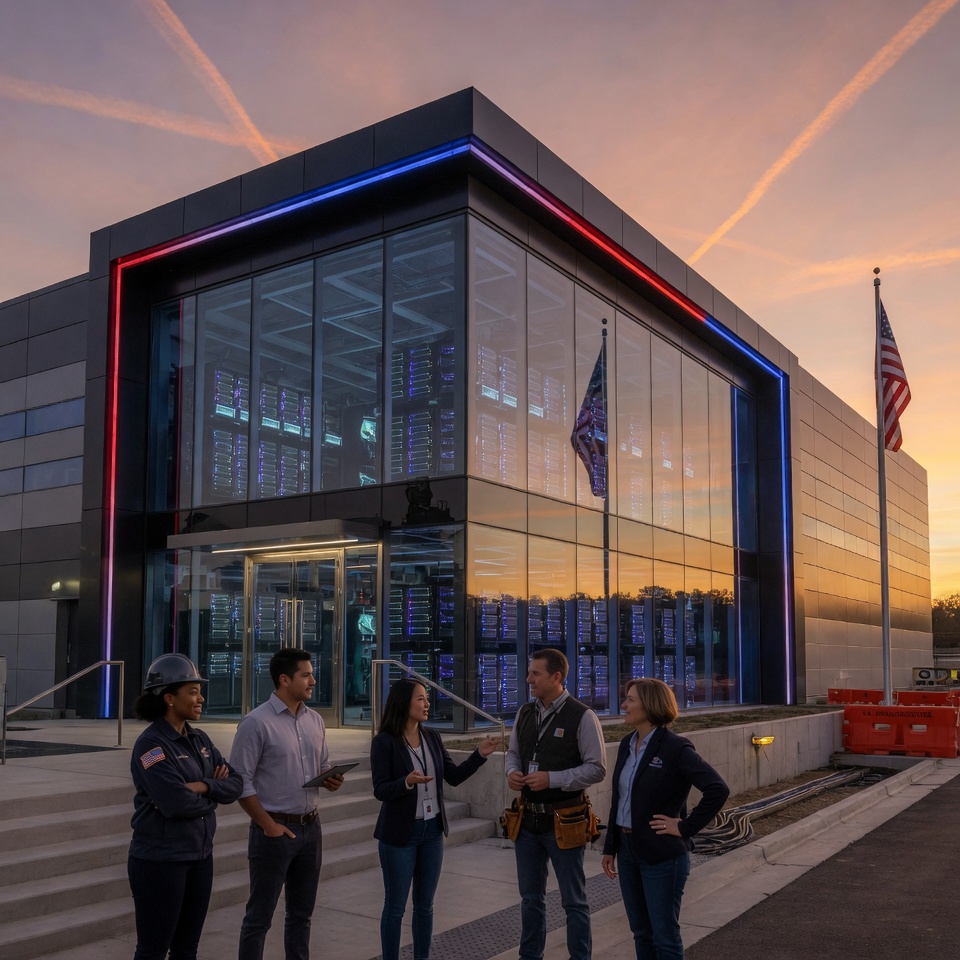
Why physical security comes first
Physical access is the most fundamental security layer. If someone can reach hardware directly, most other protections matter much less, because direct access can bypass network and software controls entirely. That is why professional data centers invest heavily in controlling who can enter, where they can go, and what is recorded.
For AI hardware, which is both valuable and important to its owner, a physically secure facility is the foundation everything else sits on. The cooling, power, networking, and monitoring all assume the hardware is in a place where only authorized people can touch it.
Physical security is also about more than theft. It covers protection from environmental hazards like fire and water, from accidental damage, and from unauthorized changes to the hardware. A serious facility treats all of these as part of keeping equipment safe.
What facility-level security provides
Controlled access
Only authorized personnel can enter, with verified identity.
Surveillance
Continuous monitoring and recording of facility activity.
Zoned areas
Restricted zones so access is limited to what is necessary.
Environmental controls
Protection against fire, water, and environmental risks.
On-site presence
Staff and procedures that respond to incidents.
American facilities
Hardware located in professional U.S. buildings.
Hardware lives in a real, controlled campus
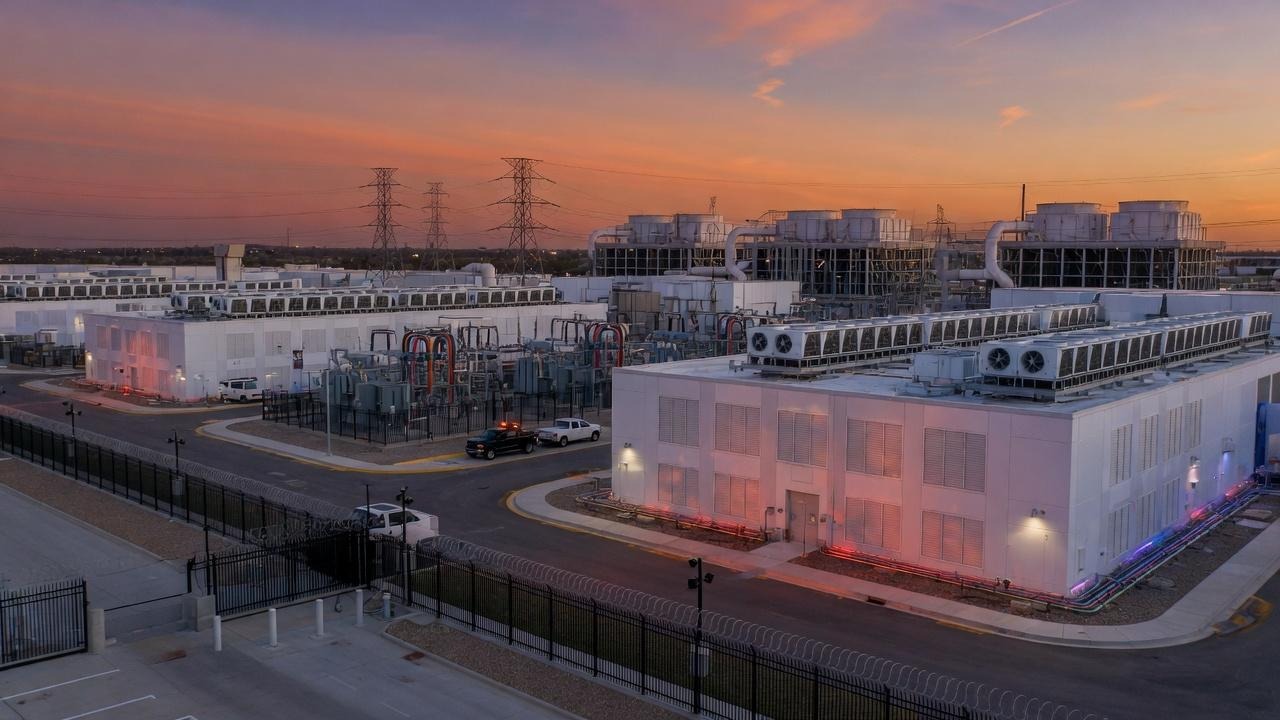
A data center campus is engineered differently from an ordinary building. Perimeter control, access points, and recorded surveillance are designed in from the start rather than added later.
This is the kind of environment that would be impractical for an individual to build, which is a large part of why owned hardware is placed in a managed facility.
How access is controlled in layers
- Perimeter. The site is controlled at its edge, so entry begins long before anyone reaches the hardware.
- Identity. Authorized people are verified before they are allowed inside.
- Zoning. Access is restricted to specific zones, so being inside the building does not mean reaching every room.
- Record. Activity is monitored and recorded, creating accountability for who did what and when.
What a purpose-built facility does that a building cannot
Physical security is most effective when it is designed into a facility from the start rather than bolted on later. A professional data center is laid out so that the path from the street to a specific rack passes through several controlled stages, each with its own checks. Ordinary offices and homes are simply not built this way, which is why retrofitting real physical security onto them is expensive and rarely convincing.
Beyond access control, a serious facility manages the environment around the hardware. Fire detection and suppression, water and leak protection, controlled temperature and humidity, and structured cabling all reduce the everyday risks that can damage equipment. These protections are easy to overlook because they only matter when something goes wrong, but that is exactly when they prove their value.
There is also the human layer. Trained staff, documented procedures, and a record of who entered and when turn a secure building into a secure operation. Equipment alone does not make a place safe. The combination of design, environmental control, and disciplined people is what keeps owned hardware protected in a way an individual realistically cannot reproduce at home.
What this means for hardware you own
When your hardware lives in a professionally secured facility, it is protected by controls that would be impractical and expensive to build at home. You hold ownership of the machine, documented in your name, while the facility provides the physical protection around it.
This is part of why managed hosting is more than convenience. It places your asset in an environment designed specifically to keep it safe, with a single operator accountable for the physical controls rather than leaving protection to chance.
It also keeps the line between ownership and protection clear. You hold the machine, documented in your name, and the facility provides the controlled space around it. You are not handing over the asset, you are placing it somewhere built to keep it safe, which is a very different thing from renting access to hardware you never hold.
How physical security connects to managed ownership
Physical security is one of the clearest reasons managed ownership makes sense. The model lets you hold a real machine as an asset while the facility and operator handle the protection that keeps it safe and operable. You get the benefits of a secured environment without having to construct one yourself.
As with every layer, honesty matters. No facility can promise perfect protection against every risk, and physical security is separate from availability and demand. A well-protected machine can still sit idle if demand is low, so operational benefits remain dependent on utilization, costs, and market conditions.
What is not guaranteed
Absolute security
No facility can promise perfect protection against every risk.
Uptime
Security is separate from availability, which can still vary.
Demand
A secure home does not create AI compute demand.
Outcomes
Operational benefits depend on many factors.
Operational benefits are not guaranteed and depend on utilization, uptime, demand, costs, hardware performance, and market conditions.
Physical security questions
Physical access is the most basic security layer. If someone can reach hardware directly, other safeguards matter less, so professional facilities control entry, zones, and surveillance carefully.
Controlled access, surveillance, restricted zones, environmental protection against fire and water, and on-site response procedures, all in a professional U.S. building.
Zoning means access is restricted to specific areas, so being authorized to enter the building does not mean being able to reach every room. It limits who can get near particular hardware, which is a core part of defense in depth.
Yes. It also covers protection from environmental hazards such as fire and water, from accidental damage, and from unauthorized changes to the hardware. A serious facility treats all of these as part of keeping equipment safe.
No facility can promise perfect protection. We provide professional physical security while being clear that nothing is absolutely guaranteed.
Recreating controlled access, surveillance, zoning, and environmental protection at home is impractical and costly. Placing owned hardware in a managed facility provides protections an individual realistically cannot build alone.
Talk with us about AI infrastructure ownership
Share your name, phone, email, and which managed device tier interests you. We will reach out with a clear walkthrough. No pressure.
Request received
Thank you. We will contact you at the phone number or email you provided.
Keep your hardware physically secure.
Talk through where your hardware lives and how it is protected.
Operational benefits are not guaranteed and depend on utilization, uptime, demand, costs, hardware performance, and market conditions.