Article on the AI economy
The future of AI infrastructure
Where is AI infrastructure heading next? Here is a grounded forward look at power, data centers, and hardware demand, with real projections from the IEA and Epoch AI.

Key takeaways
- The IEA projects data centre electricity demand to more than double to about 945 TWh by 2030 and reach about 1200 TWh by 2035.
- Electricity use by accelerated AI servers is projected to grow about 30 percent per year, according to the IEA.
- Epoch AI reports power for the largest training runs now exceeds 100 MW and could reach 4 to 16 GW by 2030.
- Power, cooling, and reliable operations will define which infrastructure actually delivers.
Where AI infrastructure is heading
The clearest way to see the future of AI infrastructure is through energy, because compute is ultimately a question of power. The trajectory the IEA describes is one of sustained, rapid growth, not a short-lived spike.
That changes how to think about infrastructure. It is not a one-time build to meet today's demand, but an ongoing expansion to keep pace with workloads that grow year after year.
This forward look pulls together credible projections on power and compute, then connects them to what they imply for the hardware layer. The aim is a grounded picture, with every number attributed.
What the projections show
~945 TWh
Projected data centre electricity demand by 2030, more than double 2024, according to the IEA.
Source: International Energy Agency (IEA), April 2025
~1200 TWh
Projected data centre electricity demand by 2035, according to the IEA.
Source: International Energy Agency (IEA), April 2025
4 to 16 GW
Possible power for the largest single training runs by 2030, according to Epoch AI.
Source: Epoch AI, 2025
Why compute keeps climbing
Behind the energy numbers is a steady rise in the compute that models demand. According to Epoch AI, power for frontier training runs has grown about 2.2 times per year, and the largest runs now exceed 100 megawatts, with projections of 4 to 16 gigawatts by 2030.
Training is only half the story. Once a model is built, running it for millions of users, known as inference, adds its own steady and growing load. The IEA projects electricity use by accelerated AI servers growing about 30 percent per year.
Together, rising training and rising inference point in one direction: more demand for compute capacity, sustained over years rather than a single burst.
What will define successful infrastructure
As demand grows, the winners will not simply be those with the most chips. They will be the operators who can supply reliable power, move heat efficiently, and keep hardware running with strong monitoring and maintenance. The IEA projection that accelerated AI server electricity grows about 30 percent per year puts real pressure on power and cooling.
In other words, the future of AI infrastructure is an operations story as much as a hardware story. Running compute well becomes a durable advantage, because idle or failing hardware produces nothing regardless of how advanced it is.
This raises the bar for everyone. Efficient cooling, dependable power, and active maintenance separate infrastructure that delivers from infrastructure that merely exists on paper.
Capacity built for years of demand
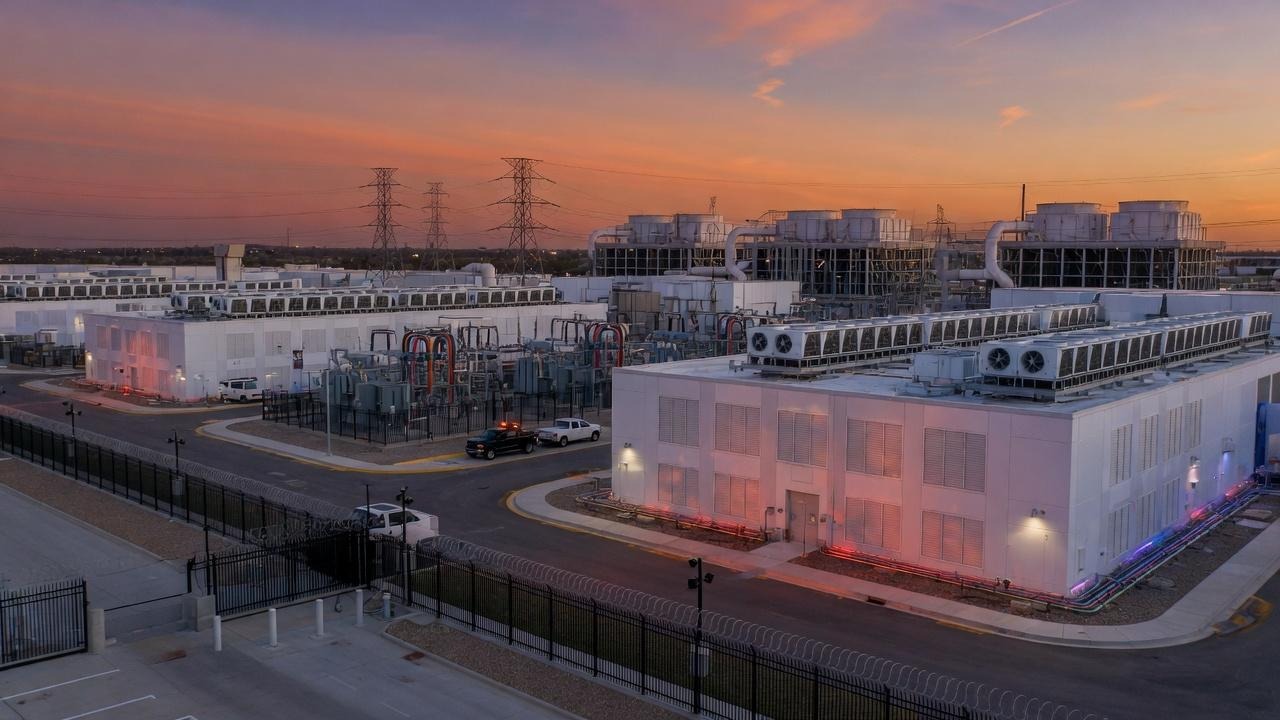
Picturing the future as a single mega data center misses the point. The growth the IEA and Epoch AI describe is continuous, spread across many campuses expanding over time.
That ongoing buildout is why the hardware layer stays central rather than fading into the background once the first wave is complete.
What this means for the hardware layer
If the IEA is even roughly right that data centre electricity demand more than doubles to around 945 TWh by 2030 and climbs toward 1200 TWh by 2035, then demand for GPUs and the facilities that house them stays high for years. The hardware layer does not fade into the background.
Forecasts are not certainties, and conditions can shift. Efficiency gains could soften demand, while new uses could push it higher. But the direction is consistent across credible sources: more compute, more power, and more need for well-run infrastructure.
For anyone thinking about the long run, that consistency is the signal worth holding onto, even as the exact figures stay uncertain.
A position in what comes next
A future defined by growing compute demand puts the spotlight on the hardware that produces it. Owning real GPUs in well-run American data centers is one way to hold a position in that future rather than only watching it unfold.
One response is managed GPU infrastructure, where you own physical NVIDIA-powered hardware and a professional team handles hosting, power, cooling, monitoring, and operations.
None of this guarantees an outcome. Operational benefits are not guaranteed and depend on utilization, uptime, demand, costs, hardware performance, and market conditions.
References and data
- Energy and AI. International Energy Agency (IEA). April 2025.
- How much power will frontier AI training demand in 2030?. Epoch AI. 2025.
Common questions about the future of AI infrastructure
According to the IEA, data centre electricity demand is projected to more than double to about 945 TWh by 2030 and reach about 1200 TWh by 2035, with accelerated AI server electricity growing about 30 percent per year.
According to Epoch AI, power for frontier training runs has grown about 2.2 times per year, the largest now exceed 100 megawatts, and they could reach 4 to 16 gigawatts by 2030, which is a major driver of infrastructure demand.
Reliable power, efficient cooling, and strong operations. As demand grows, operators who can keep hardware running well gain a durable advantage, not just those who own the most chips.
Yes. Training builds a model once, but running it for millions of users adds a steady, growing load. The IEA projects accelerated AI server electricity growing about 30 percent per year, reflecting both training and inference demand.
No. They are credible forecasts from the IEA and Epoch AI, not certainties, and conditions can change. But the direction across credible sources is consistent: more compute, more power, and more need for well-run infrastructure.
Talk with us about AI infrastructure ownership
Share your name, phone, email, and which managed device tier interests you. We will reach out with a clear walkthrough. No pressure.
Request received
Thank you. We will contact you at the phone number or email you provided.
Want a real position in AI infrastructure?
Talk through what owning managed NVIDIA GPU hardware would look like, with no pressure and straight answers.
Operational benefits are not guaranteed and depend on utilization, uptime, demand, costs, hardware performance, and market conditions.