Ownership Model
Managed GPU ownership
Hold the asset, skip the operations. Managed GPU ownership means you own a real NVIDIA machine and Golden Core Mining runs it in a professional U.S. data center.
Real, documented hardware ownership with managed operations. Operational benefits are not guaranteed.

What managed GPU ownership means
Managed GPU ownership separates two things that are usually bundled together: holding the hardware and operating it. You own a real, physical NVIDIA-powered machine, documented in your name. Golden Core Mining handles the demanding operational work of running it well inside a professional U.S. data center.
It is not a token, a share, a fund unit, or a rental contract. It is a tangible machine that exists in a real building, working on your behalf when AI compute demand is there to be served. That distinction is the whole point of the model.
The reason this arrangement exists is that owning AI hardware and running it well are two very different jobs. Sourcing, deploying, cooling, powering, monitoring, and maintaining GPUs is specialized, around-the-clock work. Managed ownership lets you hold the asset while a team that does this full time runs the operation.
What you actually own
A physical machine
A real NVIDIA-powered GPU server, not a digital claim.
Documented ownership
The hardware is recorded in your name through clear agreements.
A real asset
A tangible piece of AI infrastructure rather than a financial product.
A position in compute
Hardware that can serve AI compute demand when it exists.
How managed ownership works
- Acquire. You purchase NVIDIA-powered hardware documented in your name.
- Deploy. Golden Core Mining installs it in a professional U.S. data center.
- Operate. We run hosting, cooling, power, monitoring, maintenance, and provider access.
- Report. You pay a fixed monthly fee and receive periodic operational reports.
You own a real, physical machine
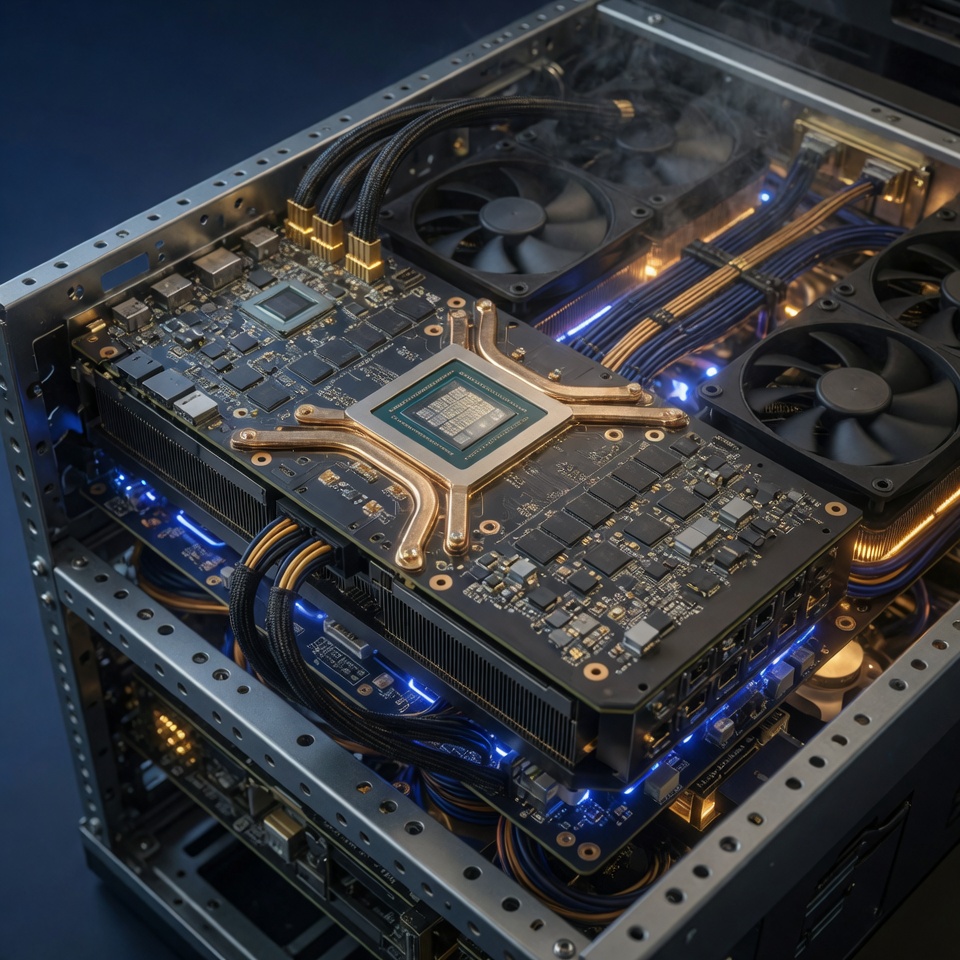
It is easy to blur the line between owning hardware and owning a financial product. Managed ownership stays on the hardware side of that line: there is a specific NVIDIA-powered machine, in a specific facility, documented in your name.
Everything else, the hosting, the operations, and the reporting, is built around that real asset.
How operational benefits may flow
When the hardware runs paid AI workloads, it can produce operational benefits, reported to you after operating costs and the fixed monthly fee, and payable in Bitcoin or fiat. When it sits idle, it does not. The outcome tracks real-world usage rather than any fixed schedule.
This is an ownership product, not an investment product. We describe outcomes as operational benefits, not returns, because they vary with demand, utilization, costs, and market conditions, and are never promised. Being precise about this language is part of being honest about what the model is.
The fixed monthly fee is worth understanding clearly. It covers the operational work of hosting, cooling, power, monitoring, maintenance, and provider access, and it continues whether or not the hardware is busy. That means costs are steady while operational benefits are variable, which is the honest shape of owning a real machine rather than buying a promised stream of payments.
Own the hardware. We run the operation. Benefits depend on real-world utilization, not promises.
What managed ownership is not
Managed GPU ownership is not a security, a managed fund, a savings product, or financial advice. Golden Core Mining does not promise any payment, utilization, uptime, or resale value, and nothing here should be read as a forecast of a financial outcome.
What you get is exactly what the name says: ownership of real hardware, professionally operated. That comes with real risks, including changing demand, ongoing costs, and hardware that ages over time. We think the model is most valuable to people who want a tangible position in AI infrastructure and understand those realities, rather than anyone looking for a promised result.
Who managed ownership tends to suit
Managed ownership tends to suit people whose interest in AI compute is long-term rather than a single project, and who would rather hold a physical asset than rent access they keep nothing from. The model removes the hardest parts of owning hardware, the sourcing, the deployment, and the around-the-clock operations, so it appeals to owners who want exposure to AI infrastructure without becoming a part-time data center operator.
It is a poor fit for anyone expecting a guaranteed payment, a fixed schedule of returns, or a financial product they can trade like a security. Those are not what this is. Because operational benefits depend on demand, utilization, and costs, the model rewards a realistic, patient outlook far more than it suits someone looking for a promised result.
The most useful way to decide is to be honest about your own goals and time horizon. If you want a tangible, professionally run position in AI hardware and you understand that outcomes vary, managed ownership is built for you. If you need certainty about returns, no honest version of this model can offer that, and we would rather say so up front.
What is not guaranteed
Demand
AI compute demand varies with the market.
Utilization
Idle hardware produces no operational benefit.
Costs
Power, cooling, and maintenance are ongoing.
Resale value
Hardware value changes over time and is not guaranteed.
Operational benefits are not guaranteed and depend on utilization, uptime, demand, costs, hardware performance, and market conditions. This is hardware ownership, not investment advice.
Managed ownership questions
A real, physical NVIDIA-powered GPU machine documented in your name. It is a tangible asset, not a token, share, fund unit, or rental contract. There is a specific machine in a specific facility tied to your ownership.
No. It is hardware ownership with managed operations. Golden Core Mining does not provide investment advice and does not promise returns. Operational benefits are never guaranteed.
Very little. You own the hardware and pay a fixed monthly management fee. Golden Core Mining runs the operations and reports to you periodically, so you do not have to source parts, watch dashboards, or run anything yourself.
When the hardware runs paid workloads, operational benefits are reported after operating costs and the fixed monthly fee, and can be paid in Bitcoin or fiat. When the hardware is idle, there is nothing to pay out, because outcomes track real usage.
Demand and utilization vary with the market, operating costs are ongoing, and hardware ages and changes in resale value over time. None of these outcomes are guaranteed, which is why we describe benefits as operational rather than as returns.
Renting gives you temporary access with no asset, while managed ownership gives you a physical machine you hold while we operate it. Renting suits short or unpredictable needs, and owning suits a longer-term hardware position.
Talk with us about AI infrastructure ownership
Share your name, phone, email, and which managed device tier interests you. We will reach out with a clear walkthrough. No pressure.
Request received
Thank you. We will contact you at the phone number or email you provided.
Own the hardware without running it.
Talk through what managed GPU ownership would look like for your goals.
Operational benefits are not guaranteed and depend on utilization, uptime, demand, costs, hardware performance, and market conditions.