Decision Guide
Own vs rent GPU compute
Renting and owning are different tools for different goals. Here is a straight comparison, with no spin, to help you decide which fits you.
An honest comparison, not a sales pitch. Operational benefits are not guaranteed.

Two tools for two different goals
Renting GPU compute and owning GPU hardware are not really competitors. They are different tools. Renting is about flexible, temporary access to compute you do not keep. Owning is about holding a lasting position in the hardware itself, as an asset you control.
Neither is universally better. The right choice depends on how long you care about AI compute, whether you want to hold an asset, and how much you value flexibility versus permanence. A short experiment and a multi-year commitment call for different answers.
The mistake is treating one as obviously superior. The useful question is not which is better in general, but which fits what you are actually trying to do, with clear eyes about the trade-offs on each side.
How owning and renting compare
| Dimension | Renting GPU compute | Owning managed hardware |
|---|---|---|
| What you hold | Temporary access | A physical machine in your name |
| Commitment | None beyond usage | Up-front hardware plus monthly fee |
| Flexibility | Very high | Lower, you hold an asset |
| Cost shape | Pay as you go | Up-front plus ongoing operating costs |
| Operations | Handled by provider | Handled by Golden Core Mining |
| Best for | Short or unpredictable needs | Long-term hardware positions |
When renting fits, and when owning fits
Renting fits when your needs are short, experimental, or hard to predict. If you want to run a project for a few weeks, test an idea, or handle a one-time spike, renting lets you access compute without committing to hardware. You pay for what you use and walk away when you are done, holding nothing afterward.
Owning fits when your interest in AI compute is ongoing and you want a tangible asset rather than a string of rental bills. With managed ownership, you hold a physical machine while a team runs it, which suits people who want a durable position in AI infrastructure rather than temporary access.
Many people sit somewhere in between, and that is fine. The honest framing is that the decision follows your time horizon and your goals, not a universal rule about which approach wins.
How the cost shapes differ over time
The clearest practical difference between renting and owning is the shape of the cost over time, not just the total. Renting is pay as you go. Your spending rises and falls with usage, there is no large up-front outlay, and when you stop, you stop. You hold nothing at the end, but you also carry no commitment beyond the hours you used.
Owning front-loads a hardware cost and then adds a steady operating cost, in exchange for holding a real machine. Under managed ownership that ongoing cost is a fixed monthly fee that covers the operations, and it continues whether the hardware is busy or idle. The asset is yours throughout, but so is the responsibility for its costs, which is a genuine commitment rather than a casual one.
Neither shape is cheaper in the abstract. For short or unpredictable use, pay as you go usually wins on simplicity and flexibility. For steady, long-term use, holding an asset can make more sense to the owner, provided they go in clear-eyed that costs are certain while operational benefits are not. The right answer depends on how long and how steadily you actually need compute.
Owning still means a real facility runs it
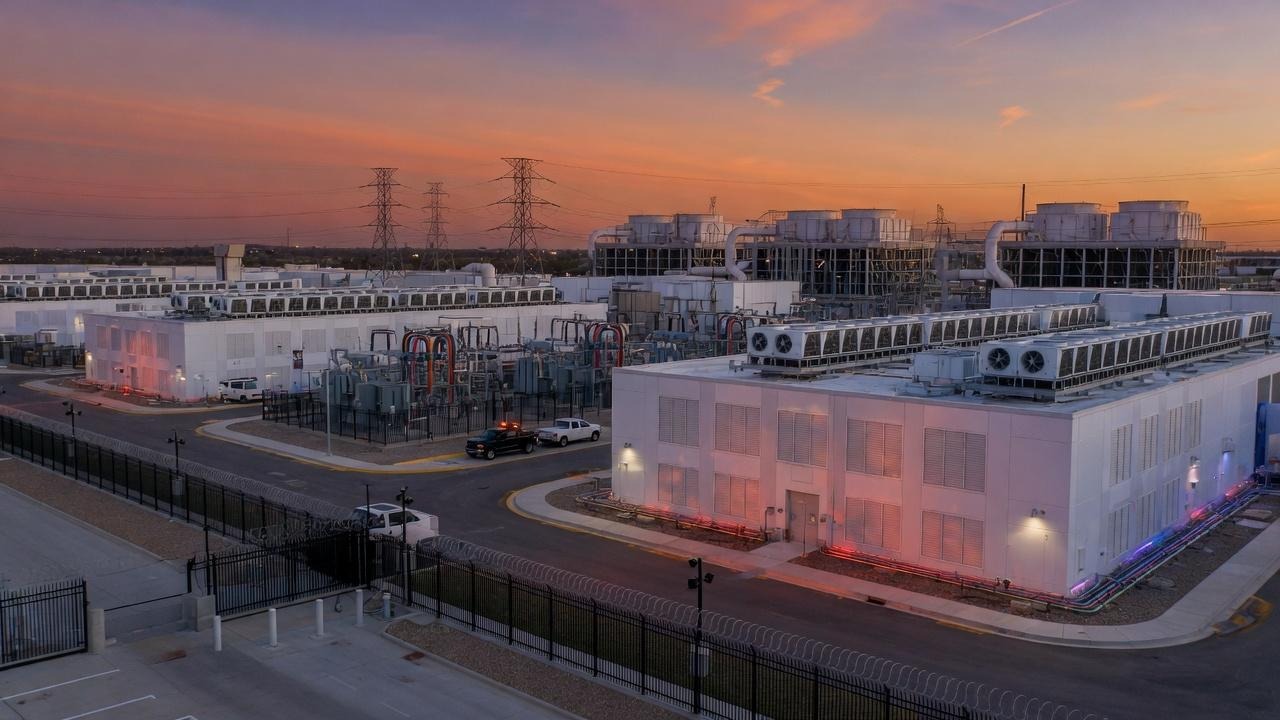
A common misconception is that owning means keeping hardware yourself. Under managed ownership it does not. The machine you own lives in a professional data center and is operated for you.
That is what makes owning practical for people who do not want to run anything: you hold the asset, but the facility and operations are someone else's job.
Questions that decide it for you
Time horizon
Is your interest in AI compute a one-time task or an ongoing position?
Asset preference
Do you want to hold a real machine, or just access compute?
Flexibility need
Do your needs spike and vanish, or stay steady over time?
Operational appetite
Do you want to avoid running anything yourself entirely?
How this connects to managed ownership
If the answers point you toward owning, managed GPU ownership is the version that keeps the burden off your plate. You hold a documented machine while Golden Core Mining handles sourcing, deployment, hosting, cooling, power, monitoring, and maintenance. If they point you toward renting, that is a perfectly reasonable choice too, and we would rather you pick the right tool than the one we happen to offer.
It is also worth remembering that the choice is not permanent. Many people start by renting to learn what they actually need, then move toward owning once their interest in AI compute looks steady and long-term. Treating the decision as a starting point rather than a final verdict takes a lot of the pressure out of it.
Whichever way you lean, no model guarantees an outcome. Renting depends on demand and pricing you do not control, and owning depends on utilization, ongoing costs, and hardware value that can change. Operational benefits are never guaranteed in either case.
What is not guaranteed either way
Demand
Both depend on AI compute demand that varies.
Utilization
Owned hardware needs to run workloads to benefit.
Costs
Owning means ongoing operating costs.
Value
Hardware resale value is not guaranteed.
Operational benefits are not guaranteed and depend on utilization, uptime, demand, costs, hardware performance, and market conditions.
Own vs rent questions
It depends on usage and time horizon. Renting has no commitment but you hold nothing afterward. Owning has up-front and ongoing costs but you keep the asset. Neither guarantees any outcome, so the comparison is about fit rather than a fixed answer.
Rent when your needs are short, experimental, or unpredictable. Owning makes more sense when you want a lasting hardware position and prefer holding the asset over repeatedly renting access.
No. Managed ownership means Golden Core Mining operates the hardware for you inside a U.S. data center. Owning does not mean keeping the machine yourself or running it.
Renting is pay as you go, with cost rising and falling with usage and no asset at the end. Owning carries an up-front hardware cost plus ongoing operating costs, in exchange for holding a physical machine. The right shape depends on how long and how steadily you need compute.
Yes. Many people start by renting to test their needs and consider owning once their interest in AI compute looks ongoing. The decision can evolve as your time horizon becomes clearer.
No. Owning gives you an asset and a managed operation, but outcomes still depend on demand, utilization, costs, and hardware value, none of which are guaranteed. It is a different tool, not a promised result.
Talk with us about AI infrastructure ownership
Share your name, phone, email, and which managed device tier interests you. We will reach out with a clear walkthrough. No pressure.
Request received
Thank you. We will contact you at the phone number or email you provided.
Work out which model fits you.
Talk it through honestly, with no pressure either way.
Operational benefits are not guaranteed and depend on utilization, uptime, demand, costs, hardware performance, and market conditions.