Article on uptime and reliability
Downtime risk: home rig versus data center
Hardware fails. The real question is what happens next. At home, a single fault stops everything. In a data center, redundancy and monitoring are designed to keep compute running through it.
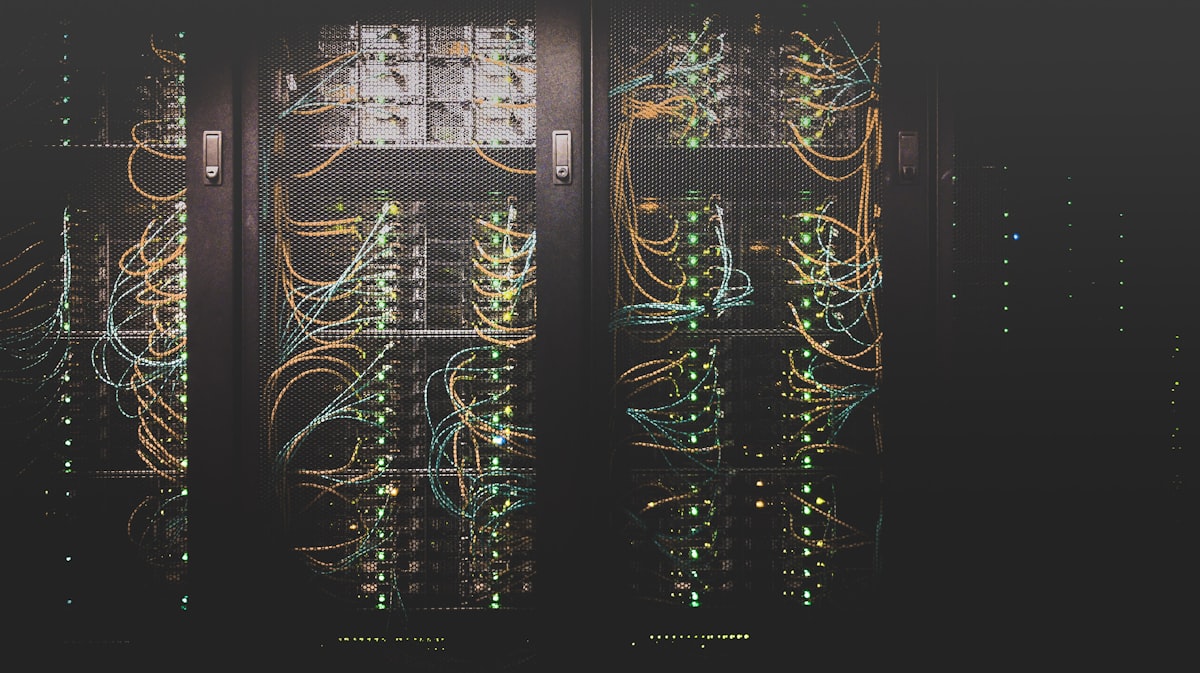
Key takeaways
- A home rig has a single point of failure for power, cooling, and network.
- One tripped breaker, failed fan, or dropped connection can stop all work at home.
- Data centers are built with redundancy so a single fault does not take compute offline.
- Managed operations add monitoring and fast response that a home setup cannot match.
At home, everything depends on one of everything
A home GPU rig usually runs on one power circuit, one cooling path, and one internet connection. That means there is one of everything that matters, and one of everything is also one thing that can fail. When any of those single pieces drops, the machine stops and the work stops with it, instantly and completely.
The problem is not that home hardware fails more often than data center hardware. The components are often similar. The problem is that a home has nothing standing by to take over when a failure happens. A single fault becomes total downtime, with no backup feed, no second cooling path, and no alternate connection to absorb it.
On top of that, the recovery clock does not even start until you notice. A failure at an inconvenient hour can sit unaddressed for a long time, quietly turning a small fault into a long outage simply because nobody was watching.
The faults that stop a home rig cold
Power
A tripped breaker, a brief outage, or a storm cuts the machine instantly, and there is no backup feed to keep it alive while power is restored.
Cooling
If a fan or a room air conditioner fails on a hot day, the hardware overheats and either throttles hard or shuts down to protect itself.
Network
Residential internet drops happen, and when the connection is gone the compute cannot reach anything that needs it, even if the machine is fine.
Detection
Nobody is watching at 3 a.m., so an outage can run for hours before anyone even knows it started, multiplying the lost time.
Why detection matters as much as redundancy
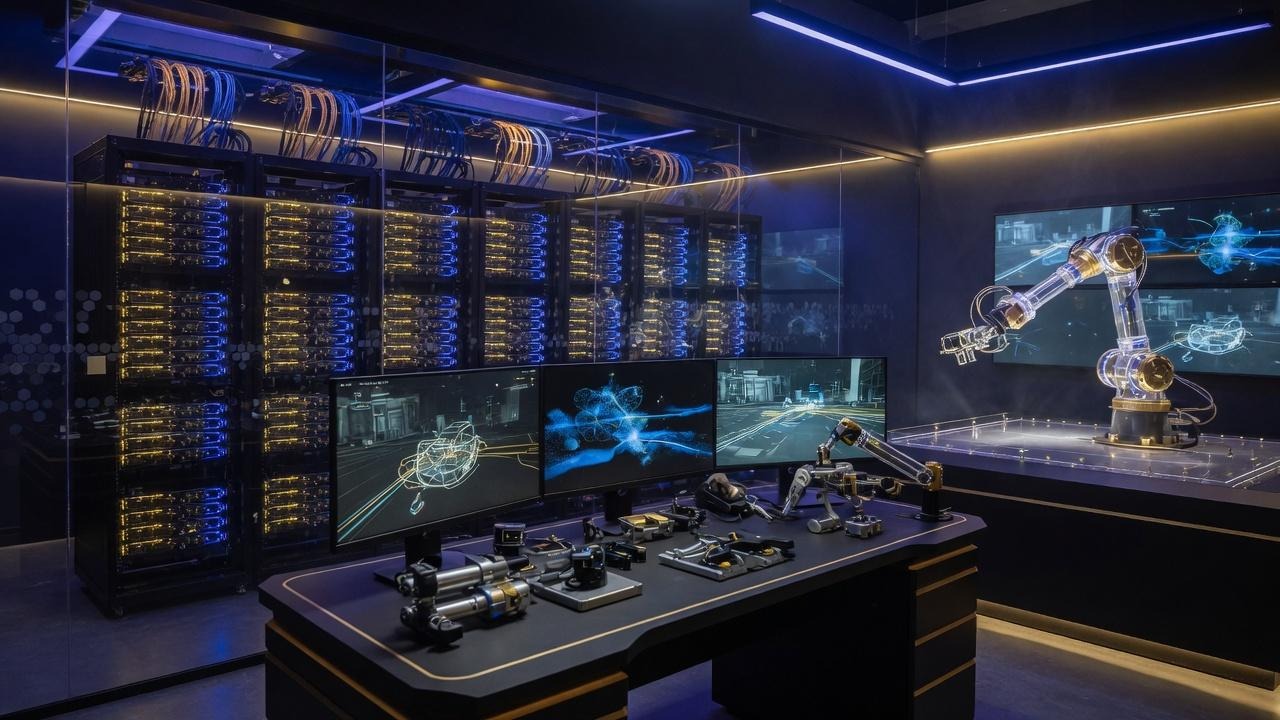
Redundancy is only half of reliability. The other half is detection: knowing the instant something has gone wrong so it can be addressed before it cascades. A home rig has no detection layer at all beyond you happening to look.
A staffed control room closes that gap. Faults are seen as they develop, alerts are acted on immediately, and a failed part is replaced quickly. The combination of standing backups and constant watching is what separates a facility from a hopeful setup in a spare room.
Why redundancy is the whole point of a data center
Data centers are built around the assumption that individual components will fail. Rather than hoping nothing breaks, they plan for it. Redundant power feeds, backup generators, multiple cooling paths, and diverse network links mean that a single failure is absorbed rather than passed straight on to the workload.
On top of the physical redundancy sits continuous monitoring. A team sees a problem as it develops, responds before it becomes an outage, and replaces failed parts quickly using spares kept on site. The result is not a promise that nothing ever breaks. It is a system designed so that when something does break, the compute keeps running.
This is a fundamentally different philosophy from a home setup. A home hopes against failure. A facility expects it and engineers around it, which is why the same hardware is far more reliable in one place than the other.
What happens when a part fails, in each place
- At home: it stops. The single affected system, power, cooling, or network, has no backup, so the machine goes down and stays down until you intervene.
- At home: nobody knows. With no monitoring, the outage runs until you happen to notice, so the lost time depends entirely on when you next check.
- In a facility: it absorbs. A redundant system takes over the failed component, so the workload keeps running rather than stopping.
- In a facility: it is caught. Monitoring flags the fault immediately and staff replace the failed part from on-site spares, restoring full redundancy quickly.
Why a short fault becomes a long loss at home
Downtime rarely costs only the minutes the part was broken. At home, the loss compounds. The fault sits undetected, then takes time to diagnose, then waits on a replacement part you may not have on hand, then needs the workload restarted and verified. A two-minute hardware fault can easily become a two-day outage.
A facility short-circuits that chain at every step. Redundancy means the workload often does not stop at all, monitoring means the fault is caught immediately, and on-site spares and staff mean repairs happen fast. The same underlying failure produces a very different total loss depending on where the hardware lives.
Designing for failure instead of hoping against it
If uptime matters for your workload, the environment matters more than the box. A home setup hopes nothing fails. A managed facility plans for failure with redundancy and monitoring, which is a fundamentally different level of reliability for the same hardware.
This is the case for managed ownership. You own the hardware, and a professional team runs it inside a facility built for resilience, so a single fault is far less likely to cost you days of lost work.
No setup can promise perfect uptime. Operational benefits are not guaranteed and depend on utilization, uptime, demand, costs, hardware performance, and market conditions.
Questions about downtime and reliability
A home rig has a single power, cooling, and network path with no backup, so any one fault stops everything. A data center uses redundancy so a single failure is absorbed without taking the workload offline.
No setup can promise perfect uptime. A facility reduces and shortens outages with redundant power, cooling, and network plus continuous monitoring, but outcomes are never guaranteed.
Redundancy combined with monitoring. Redundant systems keep running when one part fails, and a team watching around the clock responds before a small problem becomes a long outage.
Because the loss compounds. The fault sits undetected, takes time to diagnose, waits on a replacement part, and then needs the workload restarted. A two-minute hardware fault can become a multi-day outage with no team and no spares.
Not necessarily. The components are often similar. The difference is that a home has nothing standing by when a part fails, while a facility has redundant systems and staff to absorb and fix the fault.
Yes. Managed ownership lets you own the physical machine while a professional team runs it in a facility built for resilience, with redundancy and around-the-clock monitoring. Outcomes are never guaranteed.
Talk with us about AI infrastructure ownership
Share your name, phone, email, and which managed device tier interests you. We will reach out with a clear walkthrough. No pressure.
Request received
Thank you. We will contact you at the phone number or email you provided.
Keep compute running when hardware fails.
Talk through managed ownership with redundant power, cooling, and around-the-clock monitoring.
Operational benefits are not guaranteed and depend on utilization, uptime, demand, costs, hardware performance, and market conditions.