Article on making the choice
How to choose GPU infrastructure
Choosing GPU infrastructure is less about the hardware and more about your goals. Here is a step by step guide to weighing timeline, budget, control, and operation so you can pick a model that fits.
Key takeaways
- Start with your goal and timeline before looking at any hardware.
- Weigh how much control and ownership you actually want.
- Decide who will operate the hardware day to day.
- Whatever you choose, no model promises a result.
The choice starts with your goals
The best GPU infrastructure for someone else may be wrong for you. The right choice depends on what you are trying to do, how long you plan to do it, and how much you want to own and control. Hardware specifications come last, not first.
Rather than starting with chip names and clock speeds, start with your situation. A few clear questions, worked through in order, lead to a sensible decision and save you from being sold a model that does not match your needs.
This guide lays out those questions as steps. None of them require technical expertise, because the decision is really about goals, timeline, budget, and how involved you want to be in operations.
A decision guide, step by step
- 1. Define your goal. Are you running short experiments, serving steady workloads, or wanting to hold a long-term position in AI hardware?
- 2. Set your timeline. Short or uncertain timelines favor renting. Longer, deliberate horizons can favor owning.
- 3. Decide on ownership. Choose whether you want to hold a physical asset or simply access compute without owning anything.
- 4. Choose who operates it. Decide if you will run hardware yourself or have a professional team operate it for you.
- 5. Weigh cost and risk. Compare upfront and ongoing costs honestly, and accept that no model promises a result.
Matching your answers to a model
If your needs are short and flexible, cloud rental usually fits. You pay for access, scale on demand, and walk away when you are done. If you want a long-term position and prefer not to operate hardware yourself, managed ownership fits, because you hold the asset while a team runs it.
If you want full hands-on control and have the skills and setting for it, running your own hardware is an option, with all the work that involves around power, cooling, noise, and maintenance.
Most people land somewhere clear once they have answered the steps honestly. The questions do the work, not the hardware brochures, and the answers tend to point to one model more strongly than the others.
If two models seem to fit, look at which trade-off you would regret least. Would you rather give up a held asset for flexibility, or give up flexibility for a durable position? That single question often breaks the tie, because it surfaces what you actually value rather than what looks appealing on paper.
The choice behind every model

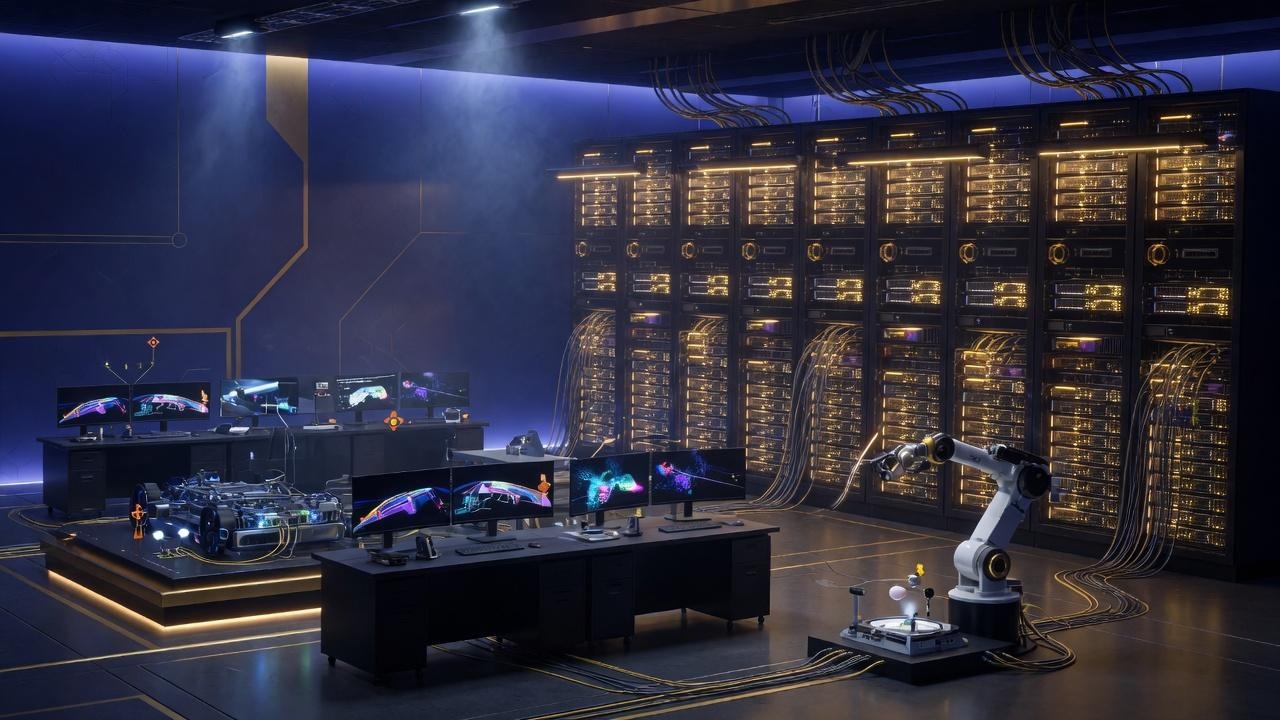
Underneath the steps is one core split, captured in the image: do you want access to compute, or do you want to hold the hardware that provides it. Renting keeps you on the access side; ownership puts you on the hardware side.
Naming that split early makes the rest of the decision simpler, because timeline, cost shape, and operation all flow from which side you are aiming for.
Common mistakes to avoid
Starting with specs
Leading with chip names instead of goals usually points you at the wrong model for your situation.
Ignoring operations
Underestimating the work of running hardware yourself is a frequent and costly mistake.
Only counting upfront cost
Operating costs over the life of hardware matter as much as the purchase price or hourly rate.
Expecting a guaranteed result
No model promises an outcome, so any choice built on assured returns is built on a false premise.
Why the right choice can change over time
A decision that fits today may not fit in a year, and that is normal. Your goals can shift, your workloads can grow steadier, and your comfort with commitment can change as you learn more. The right infrastructure choice is a moving target, not a one-time verdict.
This is one reason renting first appeals to many people. It keeps options open while you gather real information about how much compute you actually need and how predictable that need is. Once the picture is clearer, a longer-term choice like ownership becomes easier to weigh.
Build in a habit of revisiting the decision when something material changes, such as a jump in steady usage or a shift in your timeline. Re-running the same five steps with fresh answers is usually all it takes to confirm or adjust your path.
Turning the decision into action
If your answers point toward holding an asset without the operational burden, managed GPU ownership is worth a closer look, and our managed compute overview shows how operation is handled. If you are still weighing rent against own, that comparison is a good next read before you commit either way.
The strongest decisions come from working the questions honestly rather than reacting to a specification sheet or a sales pitch. Let your goals and timeline lead, and let the hardware follow.
Whatever you choose, decide with clear eyes. Operational benefits are not guaranteed and depend on utilization, uptime, demand, costs, hardware performance, and market conditions.
Common questions about choosing infrastructure
Start with your goal and timeline. Short, uncertain needs point toward renting, while a long-term position points toward owning. Everything else follows from those two answers.
No. The decision is mostly about goals, timeline, budget, and how much you want to operate yourself. Managed models exist so you can own hardware without running it.
Look at the full picture, not just the headline number. Renting has ongoing fees with no asset, while owning has upfront hardware cost plus operating costs. Compare them over your actual timeline.
Uncertainty usually favors renting, since it keeps your commitment light and flexible. You can always revisit ownership later once your needs are clearer.
Only if you have the skills, the setting, and the appetite for constant operations. For most people, a managed model removes that burden while still allowing ownership of the asset.
No. A good choice fits your goals, but no model promises an outcome. Operational benefits are never guaranteed and depend on utilization, uptime, demand, costs, and market conditions.
Talk with us about AI infrastructure ownership
Share your name, phone, email, and which managed device tier interests you. We will reach out with a clear walkthrough. No pressure.
Request received
Thank you. We will contact you at the phone number or email you provided.
Want help working through the decision?
Talk through your goals and timeline to see which GPU infrastructure model fits.
Operational benefits are not guaranteed and depend on utilization, uptime, demand, costs, hardware performance, and market conditions.