Article comparing two models
Cloud rental versus managed ownership
Cloud GPU rental and managed ownership both put AI compute within reach, but they are built on opposite ideas about ownership. Here is a clear comparison to help you see which suits your goals.
Key takeaways
- Cloud rental gives flexible access with no asset to hold afterward.
- Managed ownership gives you a physical asset while a team runs it.
- Rental favors short term needs, ownership favors a longer position.
- Neither model promises a result, and ownership carries real costs and risk.
Same compute, opposite ownership
Cloud GPU rental and managed ownership can both give you working AI compute. The difference is what you hold at the end. With rental, you hold access for as long as you pay. With managed ownership, you hold a physical machine that belongs to you, operated for you by a professional team.
That single distinction shapes everything else, from cost structure to control to how long you commit. Seeing the two side by side makes the trade-offs clear rather than letting an hourly price stand in for the whole picture.
Neither model is universally better. They are built for different situations, and the right one depends on your timeline, your appetite for operational work, and whether you want to walk away with an asset.
Cloud rental and managed ownership compared
| Factor | Cloud rental | Managed ownership |
|---|---|---|
| What you hold | Temporary access only | A physical machine you own |
| Who operates it | The cloud provider | A professional operations team |
| Commitment | Short and flexible | Longer and deliberate |
| Cost shape | Ongoing usage fees | Upfront hardware plus operating costs |
| Scaling | Up or down on demand | Fixed to the machine you hold |
| Best for | Short or variable needs | Holding a long-term position |
Where cloud rental is the better fit
Cloud rental shines when needs are short term, spiky, or uncertain. You can spin up compute for a project, then stop paying when it ends. There is nothing to maintain and nothing to sell or retire later, which keeps your commitment light.
This flexibility is a real strength for experimentation and for workloads that come and go. You trade ownership for the freedom to turn capacity on and off like a utility.
The cost is that you build no position. You depend on the provider for pricing and availability, and you walk away with no asset when you stop. During periods of scarcity, that dependence can mean higher prices or waiting for capacity.
Renting access versus holding the machine

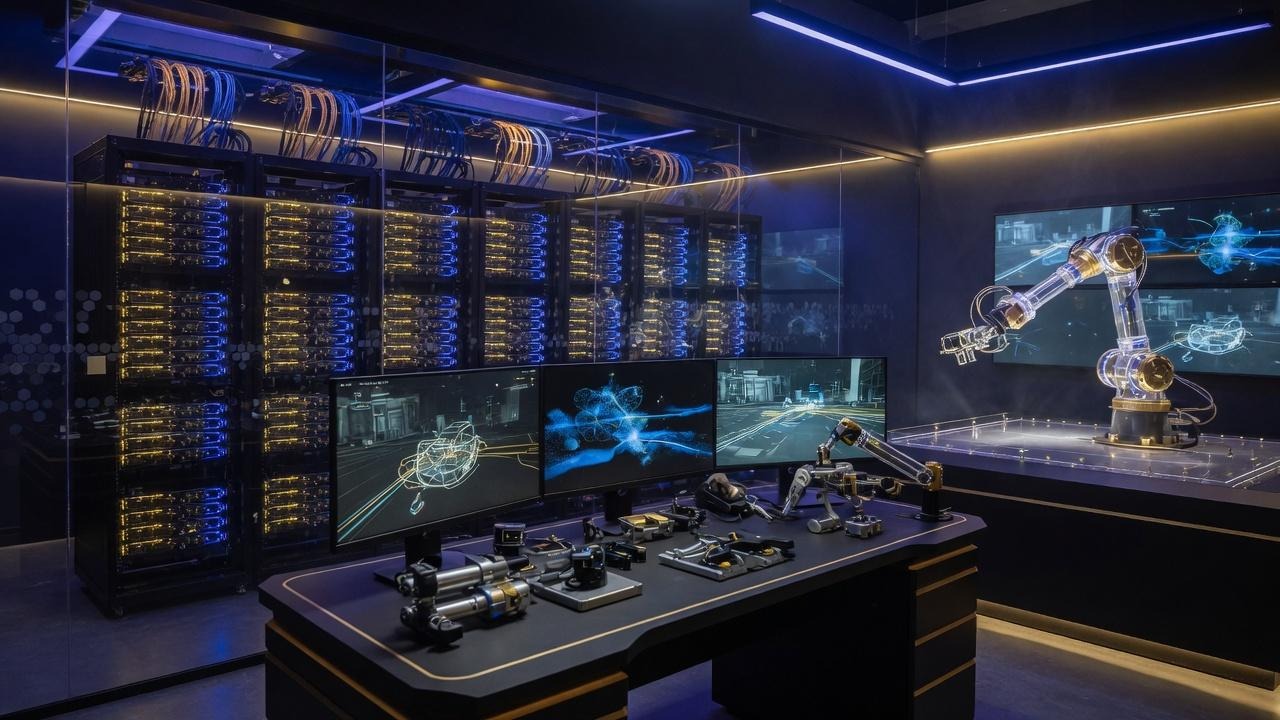
The contrast in the image is the contrast between the two models. One side pays for access; the other holds the hardware. Managed ownership simply places you on the hardware side while a team handles the operations.
Which side fits you is a question of goals, not of which is better in the abstract. Flexibility points one way; a durable position points the other.
Where managed ownership is the better fit
Managed ownership fits when you want to hold a piece of the scarce hardware behind AI for the longer term, without running it yourself. You own the machine, and a professional team handles hosting, power, cooling, and monitoring inside an American data center.
It suits people who think in years and want a real position rather than a recurring bill. Holding the asset means you are not competing for access each time demand spikes, because the hardware is already yours. During periods when capacity is scarce, that difference can matter, since renters may face higher prices or queues while an owner already holds the machine.
The cost is commitment and risk. Hardware is paid for up front, it carries operating costs, and what it does for you depends on real-world use. It is a position, not a promise.
Questions that point you to one model
How long do you need it?
Short or uncertain horizons favor rental. Multi-year intent favors owning an asset.
Do you want an asset?
If walking away with nothing bothers you, ownership is the model that leaves you holding something.
Who should operate it?
Both models hand operations to professionals, but only ownership leaves the hardware in your name.
How steady is your need?
Spiky, on-and-off demand suits rental. Steady, ongoing use can suit a machine you hold.
You do not have to pick only one
The two models are not mutually exclusive over time. Many people rent while their needs are still uncertain, then move toward ownership once they understand their workloads and want a longer position. Rental can be the on-ramp that teaches you whether ownership is worth it.
Some keep a foot in both camps deliberately, renting for spiky or experimental work while holding owned hardware for the steady, long-term base. That blend can capture the flexibility of rental and the durable position of ownership at the same time.
The point is to match each model to the part of your need it serves best, rather than forcing every workload into a single approach. Thinking in terms of fit, not loyalty to one model, usually leads to a more sensible setup.
Choosing between them
If you want flexibility, rental is sensible. If you want to hold the asset, managed GPU ownership lets you do that while a team runs the operations. Our managed compute overview shows how the operating side is handled, from power and cooling to monitoring and maintenance.
Whichever you choose, stay grounded. Operational benefits are not guaranteed and depend on utilization, uptime, demand, costs, hardware performance, and market conditions.
Common questions about rental versus ownership
No. Renting buys temporary access and leaves you with no asset. Managed ownership means you hold a physical machine as your own, while a professional team operates it for you.
It depends on your timeline and usage. Rental has lower upfront cost but ongoing fees, while ownership has upfront hardware cost plus operating costs. Neither guarantees any financial outcome.
Yes. Many people start by renting to learn their needs, then consider ownership for a longer position. Owning still carries real costs and risk, and no result is promised.
In rental, the cloud provider handles everything behind the scenes. In managed ownership, a professional operations team handles maintenance while the machine remains your asset.
Ownership is a longer commitment than rental by design, since you hold a physical asset. The specific terms vary, so it is worth asking directly how flexibility and exit are handled before you decide.
No. Each fits a different situation, but neither promises an outcome. Operational benefits are never guaranteed and depend on utilization, uptime, demand, costs, and market conditions.
Talk with us about AI infrastructure ownership
Share your name, phone, email, and which managed device tier interests you. We will reach out with a clear walkthrough. No pressure.
Request received
Thank you. We will contact you at the phone number or email you provided.
Deciding between renting and owning?
Talk through which model fits your timeline and goals, with honest answers.
Operational benefits are not guaranteed and depend on utilization, uptime, demand, costs, hardware performance, and market conditions.