Article on the ownership model
What managed GPU ownership means
Managed ownership sits between buying a machine you run yourself and renting cloud time you never hold. Here is what it actually means to own GPU hardware that someone else operates.
Key takeaways
- Managed ownership means you hold the physical GPU hardware while a professional team operates it for you.
- It is different from renting cloud time, where you never own the machine.
- It is also different from a home rig, where you handle every operational task yourself.
- Ownership is real, but no outcome is promised and benefits depend on real-world conditions.
What managed ownership actually means
Managed GPU ownership is a simple idea with two parts. First, you own a physical NVIDIA-powered machine. It is a real asset that belongs to you, not a subscription or a slice of someone else's pool. Second, a professional team handles the demanding work of running it inside a data center.
In other words, you hold the hardware and a dedicated operator runs the power, cooling, networking, monitoring, and maintenance. The ownership is yours. The day-to-day operations are someone else's job.
That split is the whole point. It keeps the benefits of owning a real asset while removing the parts of ownership that are hard, technical, and constant.
The two halves of managed ownership
What you own
A specific physical GPU machine, sourced and deployed on your behalf, that remains your asset.
What the team runs
Hosting, power, cooling, monitoring, maintenance, and connection of the hardware to AI compute demand.
What you avoid
Buying scarce hardware blindly, finding a data center, and operating complex equipment around the clock yourself.
What stays yours
The decision to own and the asset itself, with clear visibility into how the machine is set up and run.
How managed ownership works in practice
- Source the hardware. A specific NVIDIA-powered machine is sourced and deployed on your behalf, so you own real, identifiable hardware.
- Host it in a data center. The machine is installed inside an American data center with the power, cooling, and networking it needs to run.
- Operate and monitor. A professional team handles maintenance and monitoring around the clock, keeping the hardware healthy and running.
- Connect to compute demand. The managed hardware is connected to AI compute demand, which is where any operational benefit would come from.
What you actually own
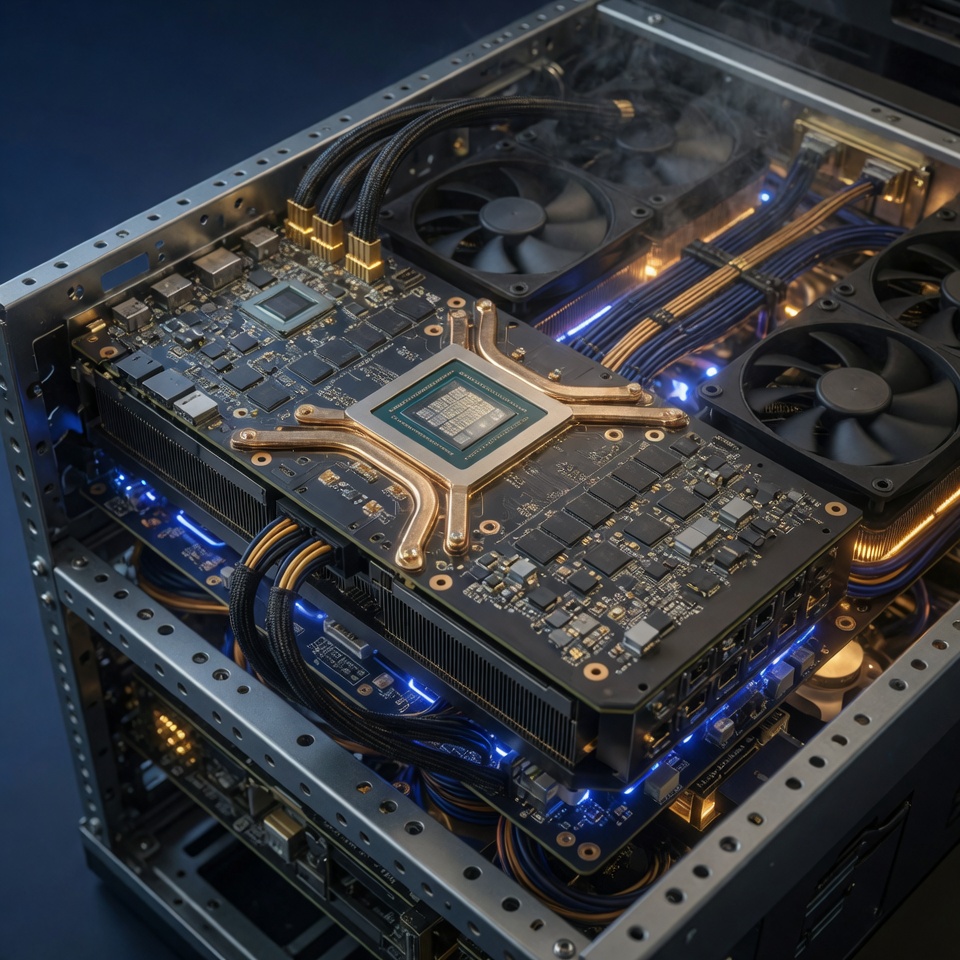
It helps to picture the actual object. Managed ownership is not an abstract entitlement. It is a specific machine, built around NVIDIA GPUs, that sits in a rack and belongs to you.
The operator runs it, but the hardware itself is the asset you hold, which is what sets this apart from renting time on someone else's equipment.
Managed ownership compared to the alternatives
| Aspect | Cloud rental | Home rig | Managed ownership |
|---|---|---|---|
| Do you own hardware | No | Yes | Yes |
| Who operates it | The provider | You | A professional team |
| Round-the-clock work | None for you | All on you | Handled for you |
| What you hold at the end | Nothing | The machine | The machine |
What managed ownership is not
Managed ownership is not the same as renting cloud GPU time. When you rent, you pay for access and own nothing. When the rental ends, you walk away with no asset to show for it.
It is also not a fund, a savings plan, or a financial product. You are buying and holding physical hardware. That distinction matters, because hardware has costs and real-world performance, and no operation can promise a result.
Being clear about this protects everyone. Managed ownership should be understood as owning and operating real equipment, with the ordinary risks that come with physical hardware.
Where Golden Core Mining fits
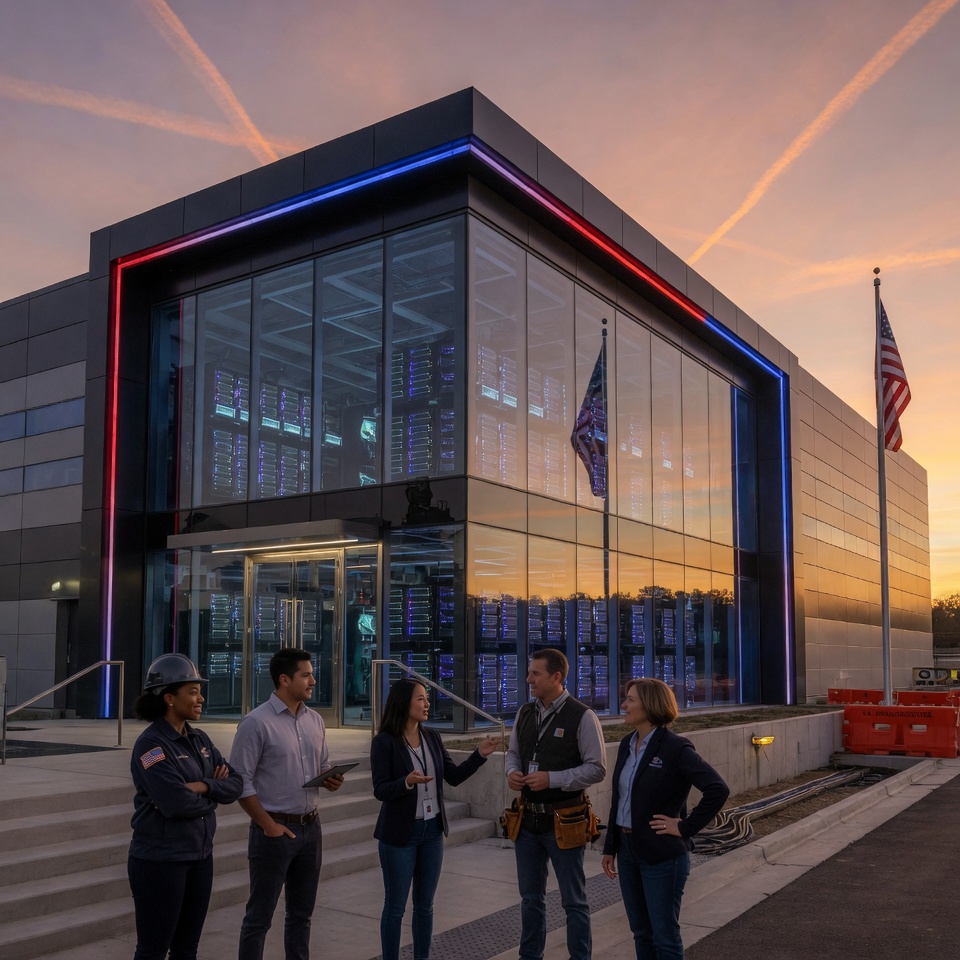
One way to put this model into practice is managed GPU ownership, where you hold the machine and a professional team runs it inside American data centers. If the idea interests you, it helps to read how the operations side works before deciding anything.
Owning hardware does not guarantee any result. Operational benefits depend on how the machine is used and on market conditions, and nothing here is promised. Operational benefits are not guaranteed and depend on utilization, uptime, demand, costs, hardware performance, and market conditions.
Common questions about managed ownership
Yes. Managed ownership means you hold a specific physical NVIDIA-powered machine as your asset. A professional team operates it on your behalf, but the hardware itself is yours.
Renting cloud GPU time gives you temporary access and no ownership. With managed ownership you hold the physical machine itself, while an operator runs the data center work, and you keep the asset.
With a home rig you own the hardware but handle every operational task yourself, from power and cooling to maintenance. Managed ownership keeps the ownership while a professional team takes on the round-the-clock operations.
They source and deploy the machine, host it in a data center, supply power and cooling, monitor and maintain it around the clock, and connect it to AI compute demand, so you do not operate complex equipment yourself.
No. It is hardware ownership, not a financial product. Operational benefits are never guaranteed and depend on utilization, uptime, demand, costs, and market conditions.
Talk with us about AI infrastructure ownership
Share your name, phone, email, and which managed device tier interests you. We will reach out with a clear walkthrough. No pressure.
Request received
Thank you. We will contact you at the phone number or email you provided.
Want to understand managed ownership in detail?
Talk through what owning a managed NVIDIA GPU machine would look like, with straight answers and no pressure.
Operational benefits are not guaranteed and depend on utilization, uptime, demand, costs, hardware performance, and market conditions.