Article on managed operations
Let professionals run the infrastructure
Owning AI hardware and operating AI hardware are two different things. You can keep the first and hand off the second to a team built for it, which is what makes ownership realistic for people who are not data center engineers.
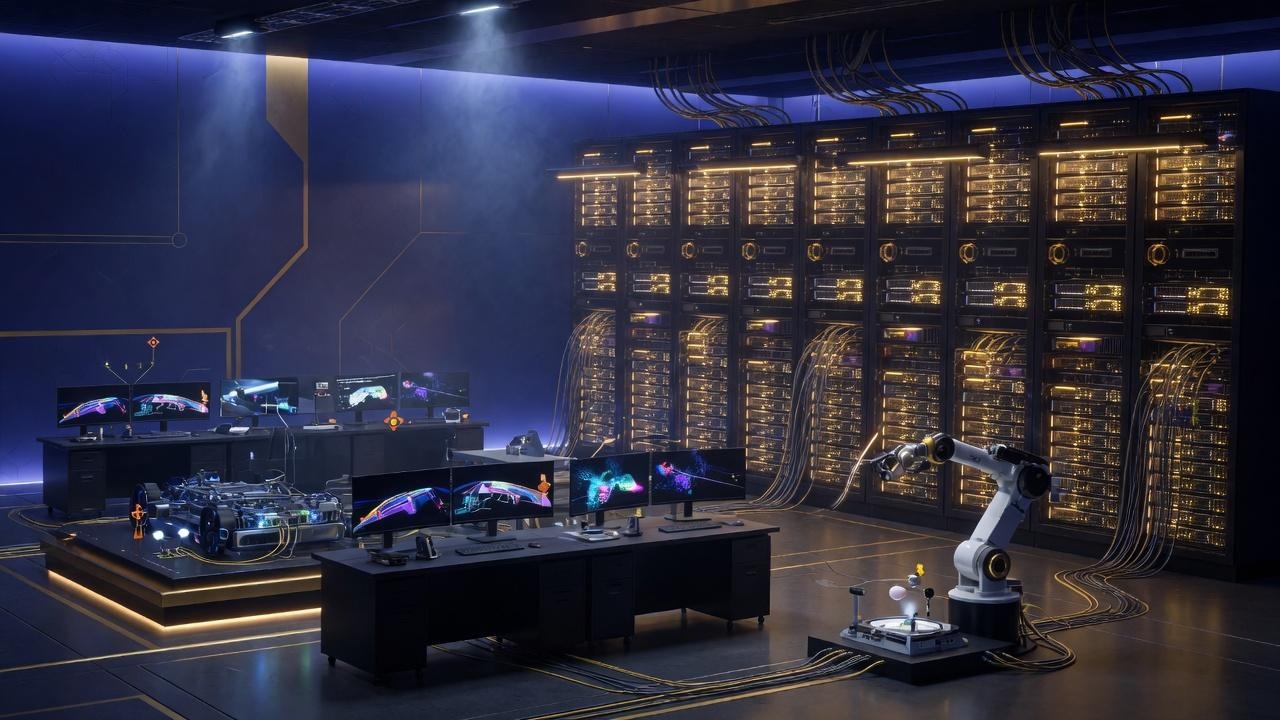
Key takeaways
- Ownership and operation are separate. You can own without running anything yourself.
- Professional teams handle power, cooling, networking, monitoring, and repair as a service.
- This makes hardware ownership practical for people who are not data center operators.
- You keep the asset while the around-the-clock work moves to people who do it daily.
Owning and operating are not the same
Owning a GPU machine is a financial and legal relationship. You hold the asset, it is yours, and its value belongs to you. Operating that machine is something else entirely: a technical, around-the-clock job that involves power, cooling, networking, monitoring, and repair. People often assume the two come bundled together, but they do not have to.
This distinction matters because the two jobs ask completely different things of you. Ownership asks for a decision. Operation asks for your time, your attention, and a set of skills that most owners neither have nor want to develop. Treating them as one thing is what makes home hosting feel so daunting.
Separating them is what makes hardware ownership realistic for people who are not infrastructure engineers. Once you see that you can own without operating, the whole question changes from can I run this to who should run this.
What professionals take on
Power and cooling
Facility-grade electricity and industrial heat removal built for continuous, high-density load, rather than home equipment pushed past its design.
Networking
Reliable, high-capacity connectivity with redundancy and service commitments that home connections simply cannot match.
Monitoring
Continuous health checks across many machines, so issues are caught and addressed before they become outages.
Maintenance
Repairs, part replacements, patching, and upkeep handled by people who do it every day, with spares on hand.
Who actually runs the infrastructure
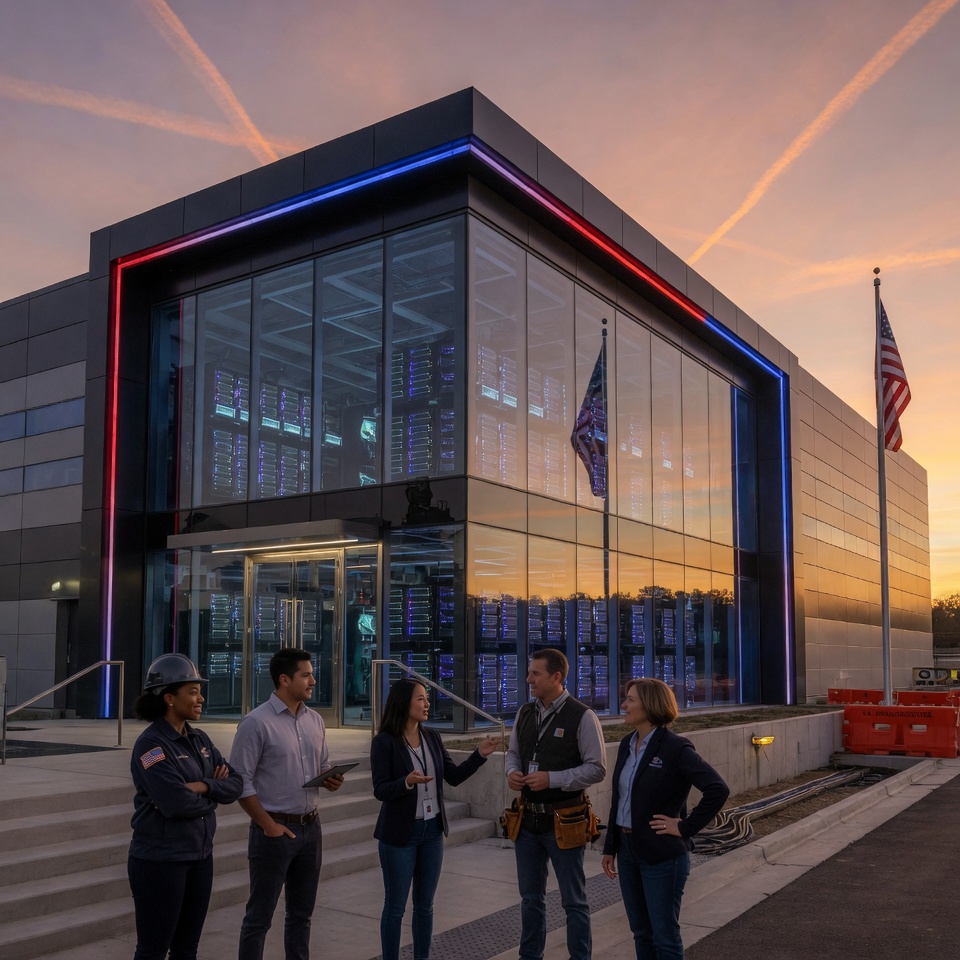
It is easy to talk about operations in the abstract, but operations are ultimately people. A facility runs because trained staff are there to monitor it, maintain it, and respond when something goes wrong, across many machines at once.
That is what you are really gaining when you let professionals run the infrastructure. The hardware is yours, but the expertise, the staffing, and the around-the-clock coverage belong to a team whose entire job is keeping compute healthy.
How managed ownership is structured
- You own the hardware. You hold a physical NVIDIA-powered machine as your asset, with a clear ownership relationship rather than a rental.
- It lives in a facility. The machine is placed in a U.S. data center built for high-density compute, with redundant power, industrial cooling, and connectivity.
- A team operates it. Professional staff handle monitoring, maintenance, updates, and repairs continuously, so the machine stays healthy and online.
- You stay informed, not on call. You keep visibility into the asset without becoming its electrician, network engineer, and night-shift technician.
Why this makes ownership practical
When a team handles operations, owning AI hardware no longer requires you to be an electrician, an HVAC planner, and a systems administrator all at once. You hold the asset, and they run it inside a professional environment built for exactly this kind of hardware.
This is the difference between an idea that sounds appealing and one that is actually livable. Plenty of people like the thought of owning AI compute, but very few want the second job that home operation demands. Separating ownership from operation removes that barrier.
That is the core of the managed ownership model, and it is why it appeals to people who want a real stake in AI infrastructure without rearranging their lives around a server.
Handing off operations is not handing off ownership
A natural worry is that letting someone else run the machine means giving up control of it. In practice, the two are separate. You retain ownership of the physical asset, while the team takes on the operational tasks you would otherwise have to perform yourself, often badly and at inconvenient hours.
It helps to compare it to other forms of ownership where operation is delegated. People own property managed by others, or vehicles serviced by professionals, without feeling they have surrendered the asset. Managed GPU ownership follows the same pattern: the thing is yours, and the upkeep is someone's profession rather than your burden.
A realistic path to ownership
If owning AI hardware appeals to you but operating it does not, a managed model is the bridge between the two. You get the ownership without the night shift, the noise, or the constant upkeep, and the infrastructure runs in a place built for it.
That is exactly what managed GPU ownership is designed to provide, and it is worth talking through whether it fits your goals before deciding anything.
No team can promise specific results. Operational benefits are not guaranteed and depend on utilization, uptime, demand, costs, hardware performance, and market conditions.
Questions about managed operations
Yes. Ownership is a financial and legal relationship, while operation is a technical, around-the-clock job. A managed model lets you own the physical hardware while a professional team runs it inside a data center.
Facility-grade power and cooling, reliable redundant networking, continuous monitoring, and ongoing maintenance and repair, all inside a data center environment built for sustained high-density load.
No. You retain ownership of the physical asset. The team takes on the operational tasks you would otherwise perform yourself, much like property managed by others or a vehicle serviced by professionals, without surrendering the asset.
Because it removes the second job. You do not have to become an electrician, HVAC planner, and systems administrator. The expertise, staffing, and around-the-clock coverage belong to a team whose job is keeping compute healthy.
You own a physical NVIDIA-powered machine, it lives in a U.S. data center built for high-density compute, and a professional team operates it continuously. You keep visibility into the asset without being on call for it.
No. Letting professionals run the infrastructure reduces operational burden and risk, but it cannot promise a specific outcome. Operational benefits are not guaranteed and depend on many factors outside anyone's control.
Talk with us about AI infrastructure ownership
Share your name, phone, email, and which managed device tier interests you. We will reach out with a clear walkthrough. No pressure.
Request received
Thank you. We will contact you at the phone number or email you provided.
Keep the ownership, skip the operations.
See whether managed GPU ownership fits your goals.
Operational benefits are not guaranteed and depend on utilization, uptime, demand, costs, hardware performance, and market conditions.