Decision Guide
Decentralized GPU networks vs managed GPU ownership
If you are weighing decentralized GPU networks against managed ownership, the deciding factors are trust, consistency, and control. Here is how they compare.
A focused, honest comparison. Operational benefits are not guaranteed.
The decision comes down to trust and control
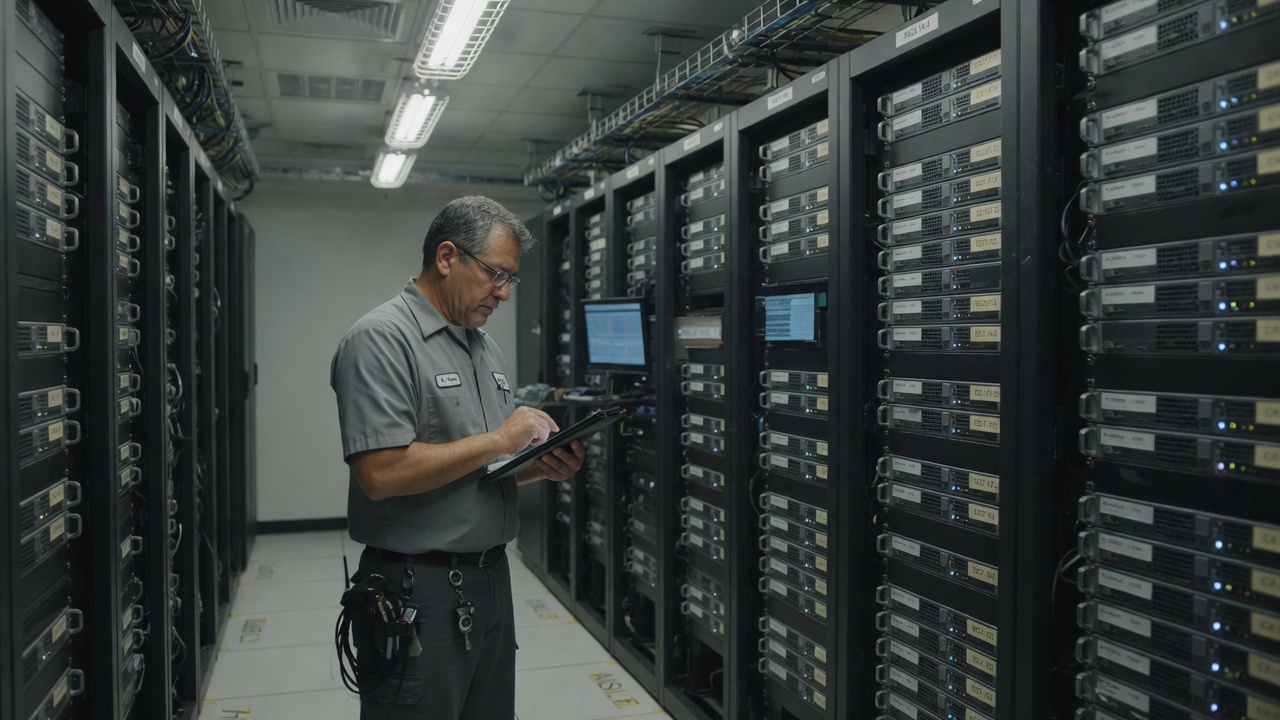
Decentralized GPU networks and managed ownership both give you a way into AI compute, but they feel very different in practice. Decentralized networks spread work across many independent operators coordinated by software. Managed ownership puts a specific machine you own under one professional operator in a known facility.
The honest deciding factors are how much you value consistency, how easily you can verify what is happening, and how much control you want over the hardware doing the work. These are the dimensions where the two models genuinely diverge.
This is not a question of which model is more advanced or more modern. It is a question of which set of trade-offs matches your goals. Both can be reasonable choices for different people and different needs.
Decentralized networks vs managed ownership
| Dimension | Decentralized GPU networks | Managed GPU ownership |
|---|---|---|
| Structure | Many independent operators | One professional operator |
| Consistency | Variable across providers | Professional and consistent |
| Verification | Harder to verify broadly | Clear, single point of accountability |
| Security | Varies by operator | Professional facility controls |
| Ownership | Usually access, not ownership | You own the physical machine |
| Control | Limited | You hold the asset, we operate it |
Why verification is the quiet deciding factor
Trust sounds abstract until something goes wrong. With a decentralized network, work runs across many operators you usually cannot see, so verifying who ran your workload, on what hardware, and how it was secured can be genuinely difficult. When there is a problem, it is not always clear who is responsible.
Managed ownership trades breadth for accountability. There is one operator, one facility, and one machine tied to you, which makes verification and responsibility straightforward. For people who care about knowing exactly what is happening with their hardware, that single point of accountability is often the deciding factor.
One operator you can point to
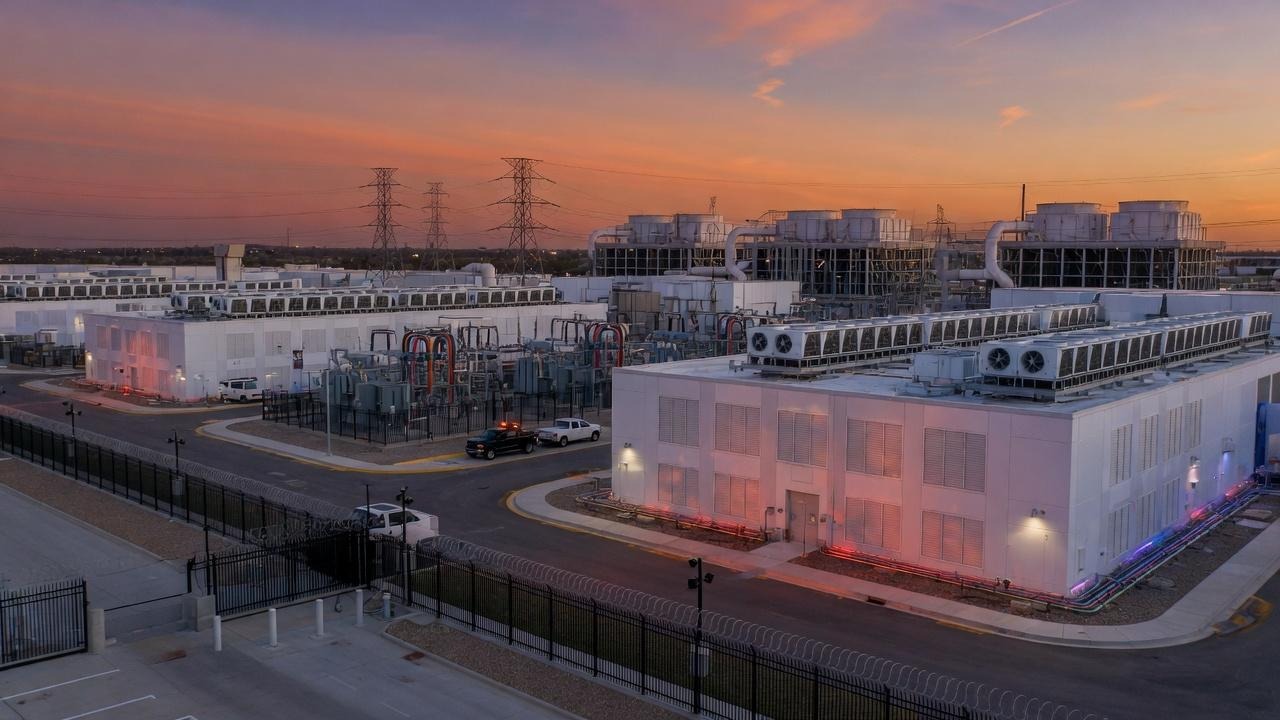
The clearest practical difference between the two models is accountability. A single operator in a known facility can be asked direct questions and held responsible.
A network of many anonymous operators cannot answer in the same way, which is exactly the trade-off you accept in exchange for breadth and flexibility.
What should tip your decision
Need for consistency
If predictable operations matter, managed ownership is more controlled.
Verification
If you want clear accountability, a single operator is easier to verify.
Ownership goal
If you want to hold a real asset, managed ownership provides it.
Flexibility
If you only want flexible on-demand access, a network may suit you.
Neither is magic
Neither model guarantees results. Decentralized networks face uptime and verification challenges. Managed ownership carries real costs and depends on demand and utilization. The right choice is the one that matches your goals, not the one with the best marketing.
Golden Core Mining is managed physical infrastructure. We are clear that we are not a decentralized network, a token system, or a crypto protocol, and we think you deserve a fair comparison either way. If a network fits your needs better, that is a legitimate answer.
Pick the model that fits your goals, not the loudest claim.
What is not guaranteed
Demand
Both depend on AI compute demand that varies.
Utilization
Owned hardware benefits only when running workloads.
Costs
Owning means ongoing operating costs.
Outcomes
No model promises any financial outcome.
Operational benefits are not guaranteed and depend on utilization, uptime, demand, costs, hardware performance, and market conditions.
Decentralized vs managed questions
Decentralized networks spread work across many independent operators, while managed ownership puts a specific machine you own under one professional operator. The difference shows up in consistency, verification, and control.
Managed ownership tends to be more consistent because a single professional operator runs the hardware. Decentralized networks can vary widely. Neither guarantees uptime or outcomes.
When something goes wrong, you want to know who ran your workload, on what hardware, and how it was secured. A single accountable operator makes that clear, while many anonymous operators make it hard to verify or assign responsibility.
If your main goal is flexible, broad, on-demand access without owning hardware, a network may suit you better. The trade-off is less consistency and harder verification, which you accept in exchange for breadth.
No. We are managed physical GPU infrastructure operated in U.S. data centers, not a decentralized or crypto network, and we do not describe ourselves with that language.
No. Both depend on AI compute demand, utilization, costs, and market conditions. Operational benefits are never guaranteed under either model.
Talk with us about AI infrastructure ownership
Share your name, phone, email, and which managed device tier interests you. We will reach out with a clear walkthrough. No pressure.
Request received
Thank you. We will contact you at the phone number or email you provided.
Decide between the two models.
Talk through which approach fits your goals, with an honest comparison.
Operational benefits are not guaranteed and depend on utilization, uptime, demand, costs, hardware performance, and market conditions.