Uptime and Reliability
GPU uptime and reliability
Every hour offline is an hour the hardware cannot do useful work. Golden Core Mining builds reliability into operations through redundancy and rapid response.
Reliability-focused operations for hardware you own. Uptime and operational benefits are not guaranteed.
Why uptime quietly decides everything
Uptime is the share of time hardware is available to do work. It rarely makes headlines, but it is one of the biggest factors in how much useful compute a machine actually produces. Hardware that is offline cannot serve any workload, no matter how powerful it is on paper.
The math is simple and unforgiving. A machine that is available 99 percent of the time loses far less work than one that is available 90 percent of the time, and those lost hours add up across a year. Because operational benefits depend on the hardware actually running paid workloads, reliability sits at the center of the whole model.
The goal of good operations is to keep hardware available as much as realistically possible, while being honest that no facility can promise perfection. Reliability is something you build toward with engineering and discipline, not something you can simply declare.
What supports reliability
Redundancy
Backup power and resilient design so single failures do not stop everything.
Monitoring
Continuous tracking to catch problems before they cause downtime.
Rapid response
Fast diagnostics and maintenance to restore service quickly.
Maintenance planning
Scheduling work to minimize disruption to running workloads.
What actually affects uptime in practice
Downtime comes from a handful of recurring sources: power interruptions, cooling failures, hardware faults, network problems, and the planned maintenance windows that every facility needs. Each one is addressed differently, which is why reliability is a system rather than a single feature.
Redundant power and engineered cooling reduce the chance that an environmental problem takes hardware offline. Monitoring shortens the time between a fault and its discovery. Spare parts and vendor relationships shorten the time between discovery and repair. Together they compress both how often downtime happens and how long it lasts.
What uptime numbers really tell you
Uptime is usually expressed as a percentage of time hardware is available, and small differences in that percentage matter more than they first appear. The gap between ninety-nine percent and ninety-five percent sounds minor, but over a year it is the difference between a few days offline and more than two weeks. Because operational benefits only accrue while hardware can actually run, those lost hours are not abstract, they are hours the machine could not do useful work.
It is also important to read uptime honestly. Planned maintenance windows, which every facility needs, are different from unplanned outages, and a high availability figure says nothing about whether the hardware was busy during the hours it was up. A machine can be available and idle at the same time, which is why uptime is a necessary measure of reliability but not a complete measure of value.
We prefer to talk about realistic availability rather than headline numbers. The aim is to keep hardware ready for as much of the time as good engineering and disciplined operations allow, while being open that no figure can be promised in advance. Anyone quoting a fixed availability promise is describing a marketing claim, not an operational reality.
Reliability is an operations discipline
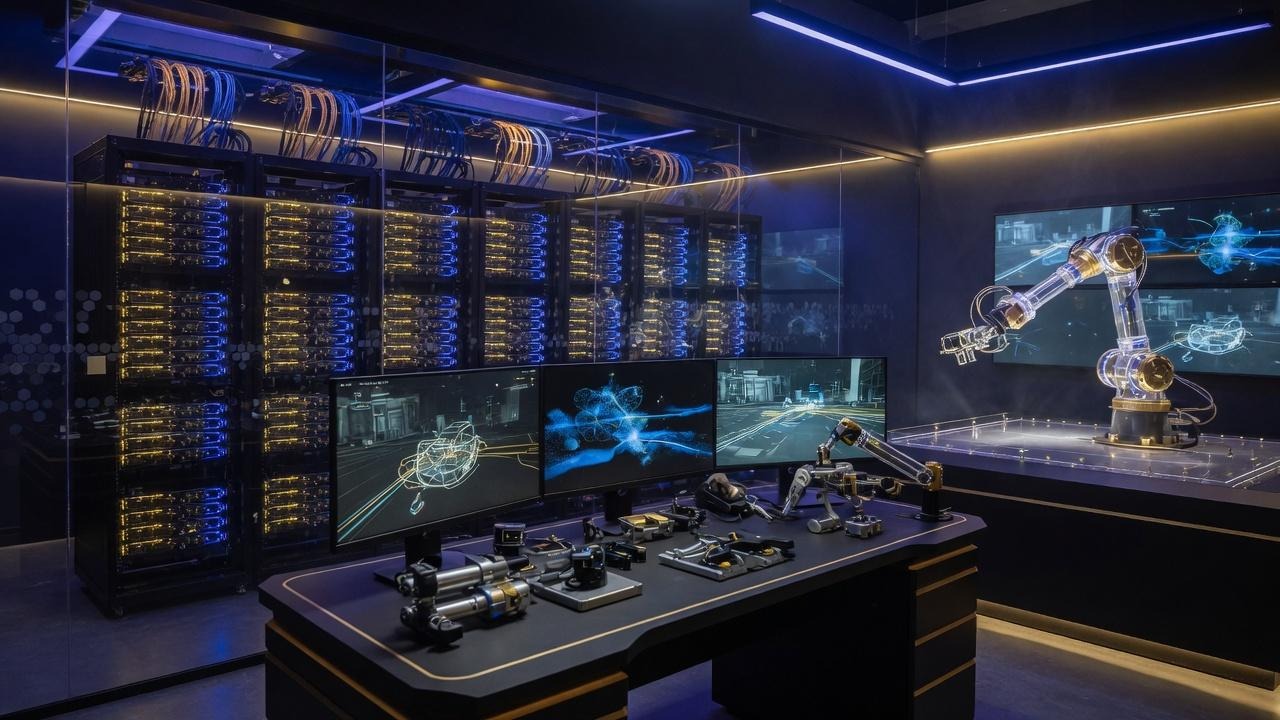
Reliability does not come from a single piece of equipment. It comes from the combination of redundant infrastructure and an operations team that notices problems early and acts on them fast.
That is the difference between a brief, well-handled interruption and an extended outage that nobody catches until workloads have already stopped.
How downtime is shortened when it happens
- Detect. Monitoring flags the problem and alerts the operations team immediately.
- Contain. Redundant systems carry load where possible so the impact is limited.
- Repair. Diagnostics, spare parts, and vendor support bring the affected hardware back.
- Review. The event is studied so the same cause is less likely to repeat.
Reliability is supported, not guaranteed
It would be dishonest to promise perfect uptime. Hardware faults, maintenance windows, and upstream issues happen in any facility, and anyone claiming zero downtime is overselling. Redundancy and good operations reduce downtime and shorten it when it occurs, but they cannot eliminate it.
Golden Core Mining focuses on doing the operational work that supports reliability, while being clear that uptime is never guaranteed. We would rather set honest expectations than make a promise no operator can keep.
That honesty is not a weakness, it is the point. Reliability is built through redundancy, monitoring, rapid response, and a steady record of handling problems well, and it holds up precisely because it is not dressed up as a guarantee. Setting realistic expectations also means an interruption is treated as a normal event to manage rather than a broken promise to explain away.
We work hard to keep hardware available. We do not pretend downtime is impossible.
How reliability connects to managed ownership
When you own hardware under a managed model, reliability is the part you most want handled well, because availability is what turns a powerful machine into useful compute. Golden Core Mining carries the redundancy, monitoring, and response work so that your hardware spends as much realistic time as possible ready to run.
Even so, availability is only one ingredient. A machine that is up but idle still produces no operational benefit, because outcomes also depend on demand, utilization, costs, and market conditions. Reliability raises the ceiling on what is possible without guaranteeing any particular result.
What is not guaranteed
Uptime
No operation can promise zero downtime.
Demand
Available hardware still depends on AI compute demand.
Utilization
Benefits require running workloads.
Costs
Reliability work is part of ongoing operating costs.
Operational benefits and uptime are not guaranteed and depend on utilization, uptime, demand, costs, hardware performance, and market conditions.
Uptime and reliability questions
Hardware only produces useful compute when it is available. Time offline is time it cannot serve any workload, so uptime is a major factor in how useful a machine is over its life.
Power interruptions, cooling failures, hardware faults, network problems, and planned maintenance windows are the main sources. Each is addressed differently, which is why reliability is built as a system rather than a single fix.
Redundancy means backup power and resilient design so that a single failure does not stop everything at once. It reduces how often downtime happens and limits its impact when it does, though it cannot remove every possible interruption.
No. Faults, maintenance, and upstream issues happen in any facility. Redundancy and operations reduce and shorten downtime, but uptime is never guaranteed.
Through redundant power and design, continuous monitoring, rapid maintenance response, and careful maintenance planning, plus a review process so recurring causes are reduced over time.
Not on its own. Uptime keeps hardware ready, but a machine that is up and idle still produces nothing. Operational benefits also depend on demand, utilization, costs, and market conditions, and are never guaranteed.
Talk with us about AI infrastructure ownership
Share your name, phone, email, and which managed device tier interests you. We will reach out with a clear walkthrough. No pressure.
Request received
Thank you. We will contact you at the phone number or email you provided.
Keep your hardware ready to work.
Talk through reliability, operations, and what realistic uptime looks like.
Operational benefits are not guaranteed and depend on utilization, uptime, demand, costs, hardware performance, and market conditions.