Article on timing
Lessons from past technology buildouts
Railroads, electricity, and the internet all moved through a similar buildout pattern. Their histories offer grounded lessons for AI infrastructure, with the usual caution about hype.

Key takeaways
- Railroads, electricity, and the internet each followed a buildout pattern of demand, scarcity, and expansion.
- Early phases were marked by scarce capacity and intense competition to secure it.
- History shows the value created by infrastructure, but also the real risk and uneven outcomes.
- Past patterns inform judgment, but they never guarantee how AI compute will unfold.
Why earlier buildouts are worth studying
Every major technology that reshaped the economy needed physical infrastructure underneath it. Railroads needed track and rolling stock. Electricity needed generation and grids. The internet needed cables, exchanges, and data centers. In each case, the useful application arrived before the capacity to serve it was fully built, which created a recognizable period of scarcity and competition.
Studying these eras is useful not because history repeats exactly, but because the shape rhymes. The same tension between fast-rising demand and slow-building supply appears again and again. AI compute is the latest example of that tension, and the earlier examples offer a vocabulary for understanding it without resorting to hype.
The point of the comparison is perspective, not prophecy. History cannot tell you what AI compute will do. It can show you the pattern that physical buildouts tend to follow, so that the present feels less like uncharted territory and more like a familiar shape playing out again.
Three buildouts and what they showed
Railroads
Track was scarce capacity that determined who could move goods and people. Early routes were contested, and building them took years of land acquisition and labor.
Electricity
Generation and grids had to be built before electric power could spread. Access depended on where capacity existed, not just on demand for it.
The internet
Cables, exchanges, and data centers formed the backbone. Applications scaled only as fast as the physical infrastructure beneath them allowed.
The pattern that connects them
Across all three eras, the same sequence appears. A new capability creates demand. Capacity is scarce at first, so access is contested and timing matters. Capital floods in, the buildout accelerates, and eventually supply catches up. Those who understood the scarce phase had more options, though not always better results. The pattern describes access and competition, not a guaranteed payoff for anyone.
The honest lesson is twofold, and both halves matter equally. Infrastructure buildouts have created enormous value and reshaped entire economies. They have also produced overbuilding, speculative excess, failures, and deeply uneven outcomes. The railroad era and the early internet both made some participants and ruined others. Ignoring either half of that history would be misleading.
This is why the most useful lesson from history is balance. The pattern is real and it favors those who understand scarcity, but it does not reward everyone who acts, and it never has.
AI compute is the latest physical backbone
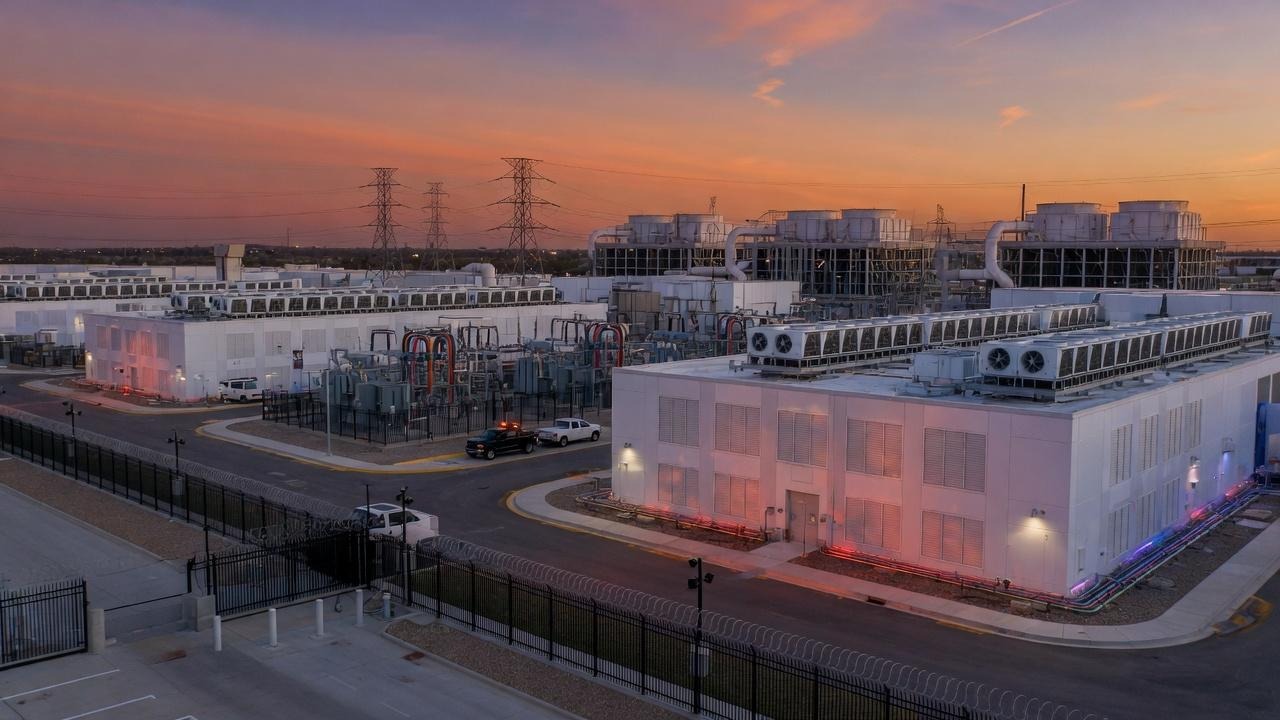
Every era has its defining physical asset. For railroads it was track, for electricity it was the grid, for the internet it was cables and exchanges. For AI, it is the data center and the GPUs inside it.
Seeing the campus this way makes the historical rhyme concrete. The technology changes, but the dependence on a slow-to-build physical backbone does not.
Where the current buildout stands
945 TWh
Projected data centre electricity demand by 2030, more than double the 2024 level, according to the IEA.
Source: International Energy Agency (IEA), April 2025
4 to 5x
Annual growth in training compute for frontier AI models since 2010, according to Epoch AI.
Source: Epoch AI, May 2024
Applying the lesson to AI compute carefully
It is tempting to take a clean history and assume AI compute will follow it exactly. That would be a mistake. The past informs judgment, but it does not predict the future, and it certainly does not guarantee a result. Operational benefits are not guaranteed and depend on utilization, uptime, demand, costs, hardware performance, and market conditions. The current numbers, like the IEA's projection that data centre electricity demand will more than double by 2030, describe pressure on supply, not a promised outcome for anyone who participates.
What history does offer is a frame for the right questions. It explains why the scarce phase of a buildout is when timing matters most, and why physical capacity, not just the headline technology, decides who gets access. Those are durable lessons. Predictions about who will benefit are not.
The lesson cuts both ways
Every honest reading of buildout history has to hold two truths at once. The first is that being early to a scarce resource has, in some cases, conferred real advantages in access and flexibility. The second is that being early has also, in other cases, meant absorbing the cost of overbuilding, mistimed bets, and conditions that changed after the commitment was made.
Both are part of the record. The danger is selecting only the success stories and presenting them as a rule. A grounded reading takes both, which leads to a modest conclusion. Understanding the pattern can sharpen a decision, but it cannot remove the risk, and it cannot promise that this buildout will reward early participants the way some past ones did.
From historical lessons to a present decision
If the pattern resonates and a position in AI compute fits your goals, one practical route today is owning a physical NVIDIA machine that a professional team operates inside a data center. Golden Core Mining is built around that model, and you can read how it works on our managed GPU compute page.
Decide on your own timeline and with clear eyes. History rhymes, but it does not promise, and none of the benefits of owning hardware are guaranteed. The value of studying past buildouts is better questions and steadier judgment, not a forecast of how this one ends.
References and data
- Energy and AI. International Energy Agency (IEA). April 2025.
- Training compute of frontier AI models grows by 4 to 5x per year. Epoch AI. May 2024.
Questions about past technology buildouts
Each needed physical infrastructure built before its application could spread, and in each case demand rose faster than capacity could be built. That created a scarce early phase where access was contested and timing mattered.
A new capability creates demand, capacity is scarce at first, capital floods in and accelerates the buildout, and eventually supply catches up. Those who understood the scarce phase tended to have more options, though not always better results.
No. History shows that buildouts have created value and also produced overbuilding and uneven outcomes. The past informs judgment but does not predict the future or guarantee any result. Both the successes and the failures are part of the record.
Because in every buildout, the physical backbone, track, grids, cables, or data centers, decided who could actually use the technology. AI compute is no different. Hardware and the power to run it are the real constraints.
Hold both halves of the history at once. Being early has sometimes conferred advantages in access, and it has sometimes meant absorbing the cost of mistimed bets. Understanding the pattern can sharpen a decision, but it cannot remove risk or promise an outcome.
Talk with us about AI infrastructure ownership
Share your name, phone, email, and which managed device tier interests you. We will reach out with a clear walkthrough. No pressure.
Request received
Thank you. We will contact you at the phone number or email you provided.
Curious where AI compute sits in the pattern?
Talk through what owning managed NVIDIA GPU hardware would look like, with no pressure and straight answers.
Operational benefits are not guaranteed and depend on utilization, uptime, demand, costs, hardware performance, and market conditions.