Article on living with home hardware
Noise, heat, and space of home rigs
The spec sheet never mentions what it is actually like to share your home with AI hardware. The noise, the heat, and the space it takes over are daily realities, not footnotes, and together they reshape a room.
Key takeaways
- Server-grade cooling is genuinely loud and hard to live next to.
- A working rig heats the room around it, which is uncomfortable and self-defeating.
- Serious hardware takes over real space that a home rarely has to spare.
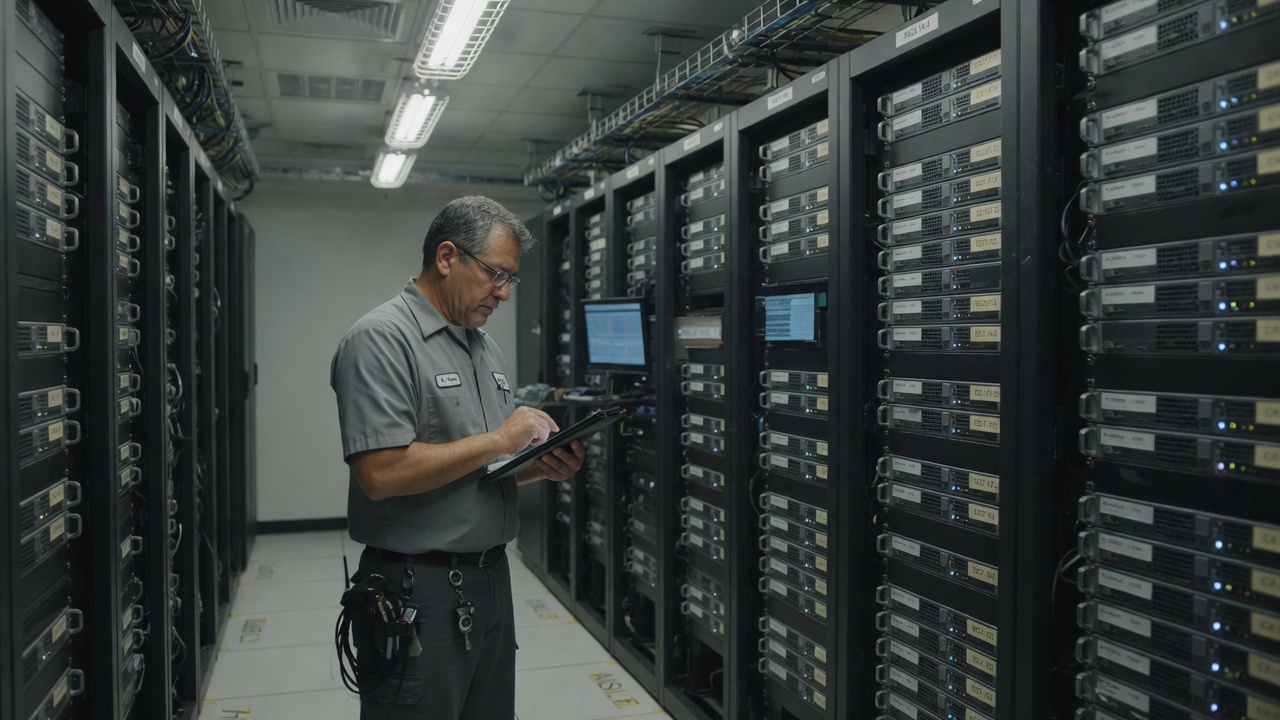
- A data center is built to contain all three, away from where you live.
What the spec sheet leaves out
A GPU machine is easy to admire on paper. It is much harder to share a home with. The parts that never appear in the specifications, the noise, the heat, and the footprint, are exactly the parts you live with every single day once the machine is running.
Individually these feel like minor annoyances. Combined, and present at all hours, they change how a room and sometimes a whole home feels to be in. A spare room becomes off-limits, a quiet evening gets a constant background roar, and a corner you used for something else is now occupied by a machine and its cabling.
None of this shows up when you are reading benchmarks and comparing prices, which is why it catches so many people by surprise. The hardware delivers exactly what the spec promised, and the living experience is the part nobody warned them about.
Noise, heat, and space up close
Noise
The fans that keep AI hardware safe are loud and constant. It is not a gentle background hum, it is a sound you do not want anywhere near where you work or sleep.
Heat
A working rig warms the room around it, so the space gets uncomfortable and you end up fighting the machine with even more cooling.
Space
Serious hardware, with its cooling and cabling, takes over a corner or a closet, and that space stops being usable for anything else.
A place built to contain all three
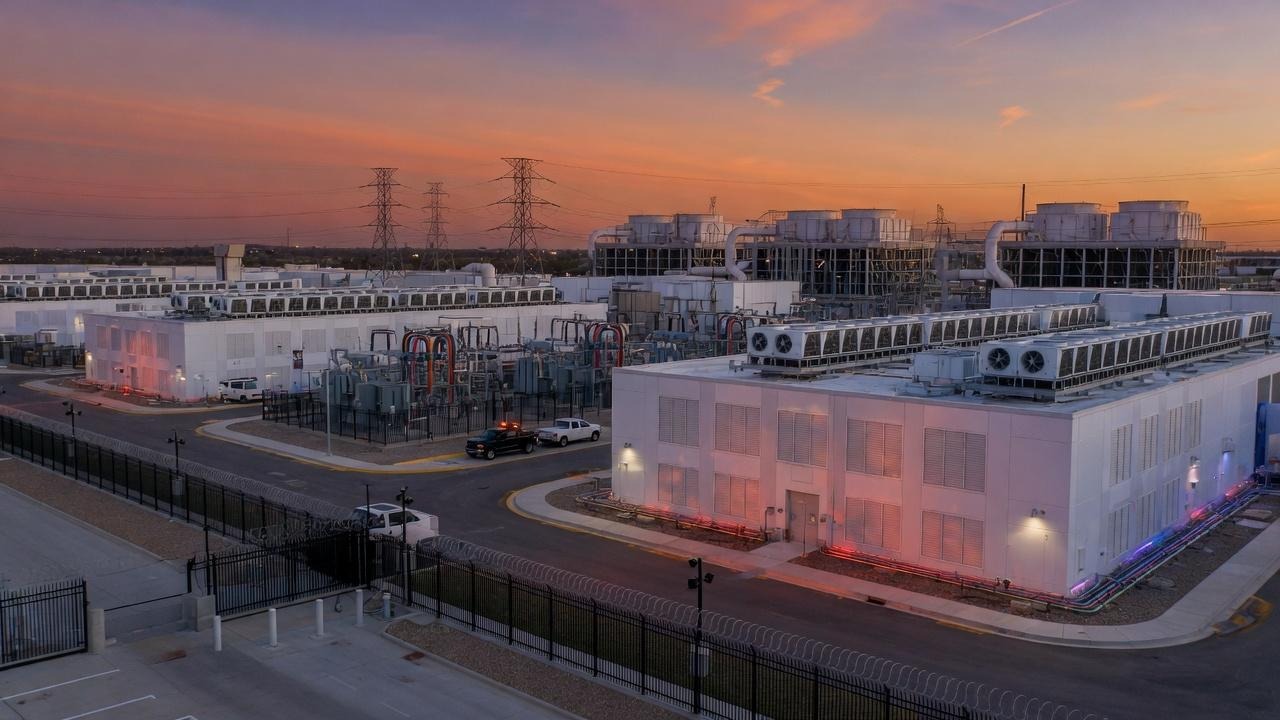
A facility exists precisely so that noise, heat, and density can be handled at scale, away from anywhere people live. What feels overwhelming in a spare room is routine inside a building designed around it.
Seeing the scale of a real campus makes the point. The problems of a home rig are not signs that the hardware is bad. They are signs that a home is the wrong container for it.
Why these problems feed each other
The three problems are linked, which is what makes them so stubborn at home. Cooling the heat makes more noise. Containing the noise traps the heat. Doing either well takes more space and equipment. There is no clean way to solve one in a home without making another worse.
This is why home setups tend to feel like an ongoing compromise rather than a solved problem. You quiet the fans and the temperature climbs. You add cooling and the noise and power draw rise. Every fix trades one discomfort for another.
A purpose-built facility breaks that loop. It puts the hardware in a controlled room designed to handle heat, isolate noise, and house density at scale, all at once and all away from anywhere people live. The compromises that define a home rig simply do not exist there.
What it does to the people sharing the space
It is worth being honest about the human side. A loud, hot machine running around the clock is not just a technical inconvenience, it affects the people who live with it. Sleep, concentration, and the simple comfort of a room all suffer when a server is roaring in the background and warming the air.
Many people who try home hosting find that this is the problem that ends it, not cost or complexity. The hardware works fine, but living next to it does not, and a household only tolerates a constant industrial presence for so long. Moving the machine out of the living space is often less a technical decision than a quality-of-life one.
Why the garage or closet is not a real fix
A common workaround is to banish the machine to a garage, basement, or closet. This helps with noise in the living areas, but it trades one set of problems for another. An enclosed space traps heat, which makes cooling harder, and an uninsulated or unconditioned space exposes the hardware to temperature swings and dust it was not built for.
It also does nothing about power, connectivity, or security, and it can make maintenance more awkward because the machine is now somewhere inconvenient. Tucking the rig out of sight relocates the discomfort without solving it, which is why a facility built for the job remains the real answer for serious hardware.
Keeping the hardware out of your living space
If the idea of a loud, hot machine taking over a room gives you pause, that instinct is right. Serious AI hardware belongs somewhere built to contain it. That is the everyday case for letting a data center run the infrastructure while you own the hardware.
With managed ownership the asset stays yours, but the noise, heat, and footprint live in a facility rather than your home, and your living space stays a living space.
Choosing a facility solves the living-with-it problems, but it cannot promise a specific result. Operational benefits are not guaranteed and depend on utilization, uptime, demand, costs, hardware performance, and market conditions.
Questions about living with a home rig
Server-grade cooling is loud and constant. The fans needed to keep AI hardware within safe temperatures produce a sound most people do not want anywhere near where they work or sleep.
Yes. A machine under sustained load warms the room around it, which is uncomfortable and pushes you to add more cooling, which in turn adds more noise and cost in a frustrating loop.
They feed each other. Cooling the heat makes more noise, containing the noise traps the heat, and doing either well takes more space. There is no clean way to solve one at home without worsening another.
It helps with noise but trades problems. Enclosed spaces trap heat and expose hardware to dust and temperature swings, and it does nothing for power, connectivity, or security. It relocates the discomfort rather than solving it.
Often it is the deciding factor. The constant noise and heat affect sleep, concentration, and comfort, and many people find living next to a server is what ends home hosting, even when the hardware works fine.
In a facility built to contain noise, heat, and density away from living spaces. Managed ownership lets you own the hardware while it runs there, so your home stays a home. Outcomes are never guaranteed.
Talk with us about AI infrastructure ownership
Share your name, phone, email, and which managed device tier interests you. We will reach out with a clear walkthrough. No pressure.
Request received
Thank you. We will contact you at the phone number or email you provided.
Keep the noise and heat out of your home.
Talk through managed ownership where the hardware lives in a facility, not your living room.
Operational benefits are not guaranteed and depend on utilization, uptime, demand, costs, hardware performance, and market conditions.