Article on owner motivations
Why people choose managed ownership
People come to managed GPU ownership for different reasons, but a few motivations show up again and again. Here is an honest look at why the model appeals, who it suits, and what it does not promise.
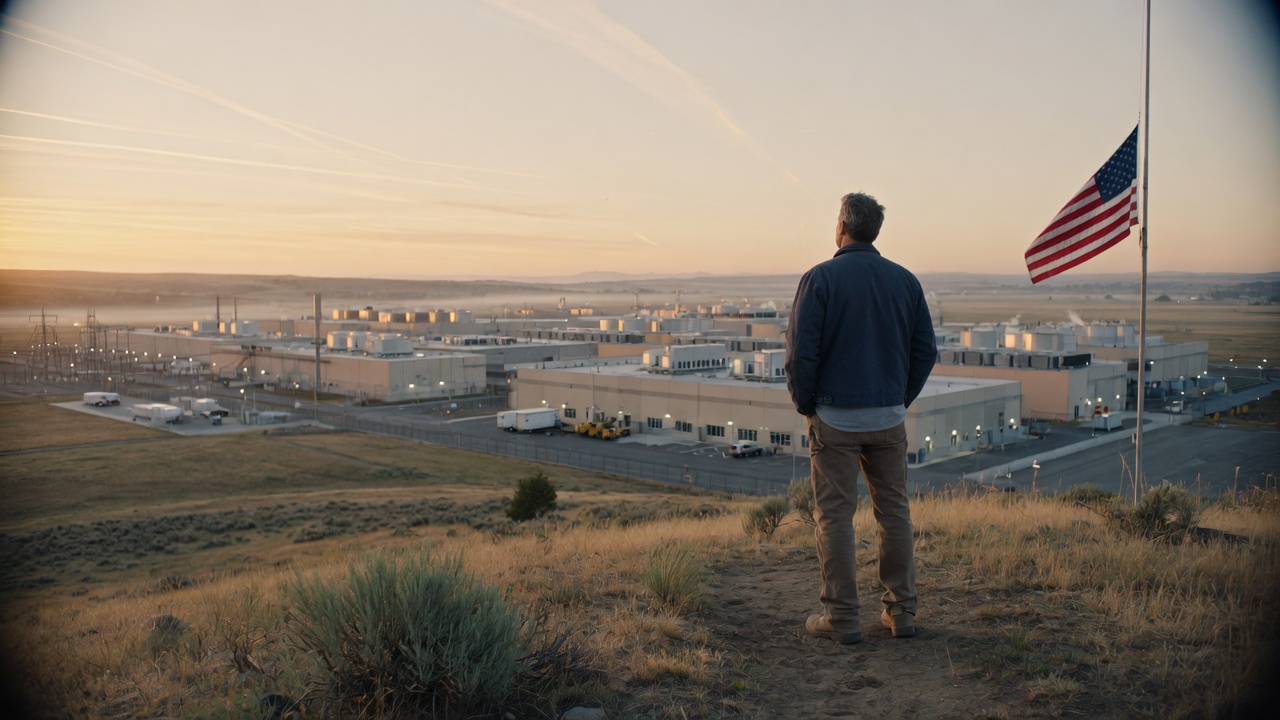
Key takeaways
- Many owners want to hold a piece of AI infrastructure rather than only consume AI.
- Avoiding the workload of running hardware alone is a frequent motivation.
- Some value direct exposure to AI compute demand and a long-term position.
- None of these motivations come with a promised outcome.
What draws people to managed ownership
AI has become part of daily life, and a growing number of people want to do more than use it. They want to hold a piece of the infrastructure behind it. Managed ownership offers a practical way to do that without becoming an infrastructure operator yourself.
The motivations vary from person to person, but they tend to cluster around a few clear themes. Some are about the asset itself, some are about avoiding operational work, and some are about wanting a long-term stake in a field that is reshaping the economy.
Understanding these themes helps you decide whether the model fits your own reasons, rather than someone else's. The healthiest decisions about ownership start from honest motivation, not from hype.
The motivations that come up most
Holding a scarce asset
Advanced GPUs are hard to get. Owning one means holding the scarce hardware rather than renting time on it.
Skipping the workload
Running hardware alone is demanding. A managed model lets owners avoid the round-the-clock operations entirely.
A position in AI
Some want a long-term stake in AI infrastructure instead of consuming AI as a service only.
American operation
Many value that the hardware is hosted and operated inside U.S. data centers by a professional team.
The shift from using AI to owning the hardware
A common thread among owners is a shift in mindset. They have spent time as AI users, paying for tools and services, and they begin to wonder what it would mean to be on the other side of that transaction, holding the hardware that the services run on.
Managed ownership is attractive to this group because it lowers the barrier. The hard parts, sourcing scarce hardware, securing data center space, and running infrastructure, are handled by a professional team, so the shift from user to owner does not require becoming an engineer.
This shift is as much about mindset as mechanics. Moving from paying for a service to holding the hardware behind it changes how people relate to the technology, even though the underlying compute is the same. For some, that change in stance is the entire appeal, regardless of how any given period of demand plays out.
The operations owners do not have to run
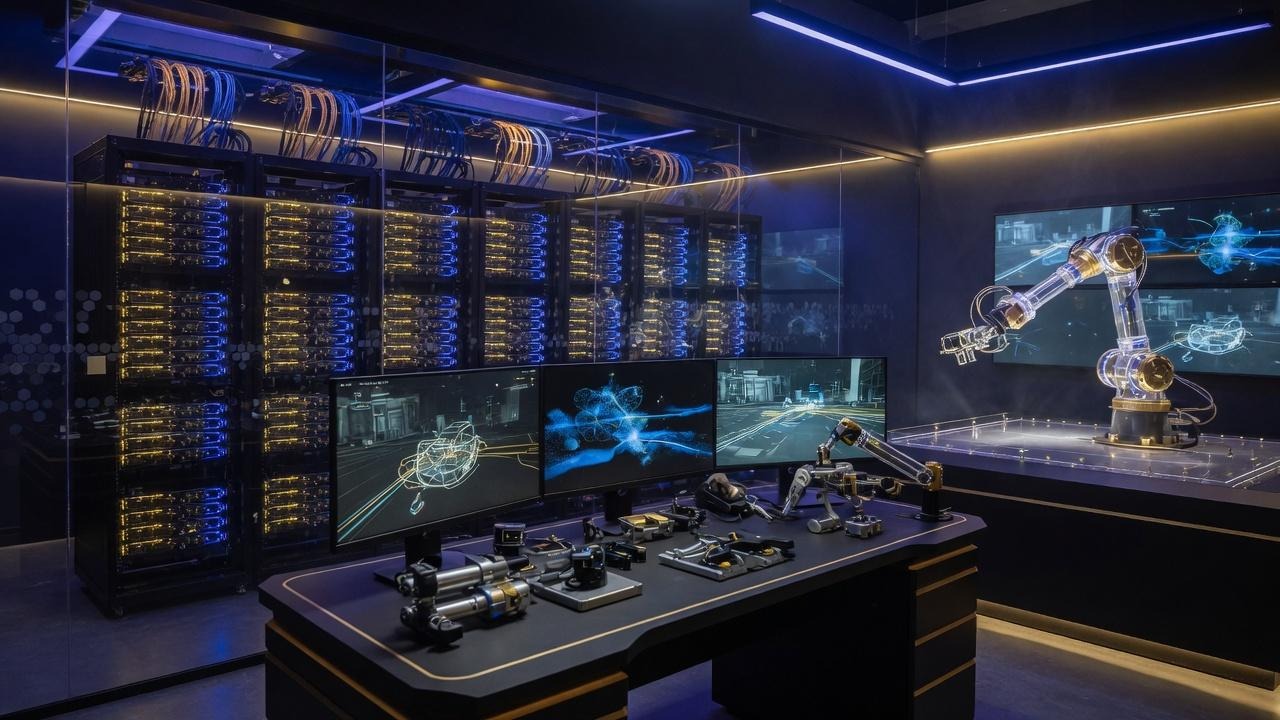
This is the work that managed ownership absorbs on the owner's behalf. Monitoring, alerts, and round-the-clock attention are demanding, and they are a major reason people choose a managed model over a self-run setup.
For most owners, not having to staff a control room is the whole point. They want the position in hardware without the operational burden that usually comes with it.
What the model asks of an owner
Choosing managed ownership is not the same as buying a gadget. It asks for a real upfront commitment of money, a longer time horizon than renting, and a willingness to accept that results depend on conditions you do not control. Those are reasonable asks, but they are asks all the same.
It also asks for honesty with yourself about why you are doing it. Owners who do best tend to be those who wanted a durable position in AI infrastructure and understood the risks going in, rather than those who expected a quick or certain result.
Understanding what the model asks of you is part of deciding whether your motivation is sound. A good reason paired with clear expectations is a far stronger footing than enthusiasm alone.
What ownership does not promise
These motivations are reasonable, but they should be held alongside the limits. Owning hardware costs money and carries risk. Demand for compute varies, and a machine can sit underused if conditions soften. Newer hardware will eventually arrive and change what older machines are worth, and energy and operating costs can shift over time.
None of that makes the motivations wrong. It simply means they should be held with open eyes. The strongest reasons for ownership survive an honest look at the downsides, while weaker reasons tend to evaporate once the risks are named plainly.
The healthiest reason to choose ownership is wanting a real position in AI infrastructure with open eyes, not chasing a promised outcome, because no outcome is promised. A credible operator will reinforce that point rather than paper over it.
Deciding if those reasons are yours
If these motivations resonate, managed GPU ownership is one way to act on them while a professional team handles the operations. Reading a fit assessment can help you check whether the model suits your goals and temperament before you go further.
Decide deliberately and keep expectations grounded. Operational benefits are not guaranteed and depend on utilization, uptime, demand, costs, hardware performance, and market conditions.
Common questions about choosing ownership
Common reasons include wanting to hold a scarce physical asset, seeking a long-term position in AI infrastructure, and valuing professional American operation. The right reason is personal and should be weighed against the costs and risks.
No. The managed model exists so people who are not infrastructure engineers can own hardware. A professional team handles the operations, so technical skill is not required to participate.
Many owners value knowing their hardware runs in a U.S. data center under a professional team, with clear physical security and accountability, rather than in an unknown location.
It can be, as long as you hold it alongside the risks. Wanting a real stake in AI infrastructure with open eyes is healthier than expecting a fixed outcome, since no outcome is promised.
Ownership is a hardware position, not a financial product. Operational benefits are never guaranteed and depend on utilization, uptime, demand, costs, and market conditions, so it should not be approached as a promised outcome.
Work through your goals, timeline, and comfort with risk honestly. If you want a durable asset and accept conditional benefits, the model may fit. If you need guaranteed results or short flexibility, it likely does not.
Talk with us about AI infrastructure ownership
Share your name, phone, email, and which managed device tier interests you. We will reach out with a clear walkthrough. No pressure.
Request received
Thank you. We will contact you at the phone number or email you provided.
Wondering if managed ownership fits your reasons?
Talk through your goals and whether managed GPU ownership is a sensible match.
Operational benefits are not guaranteed and depend on utilization, uptime, demand, costs, hardware performance, and market conditions.